
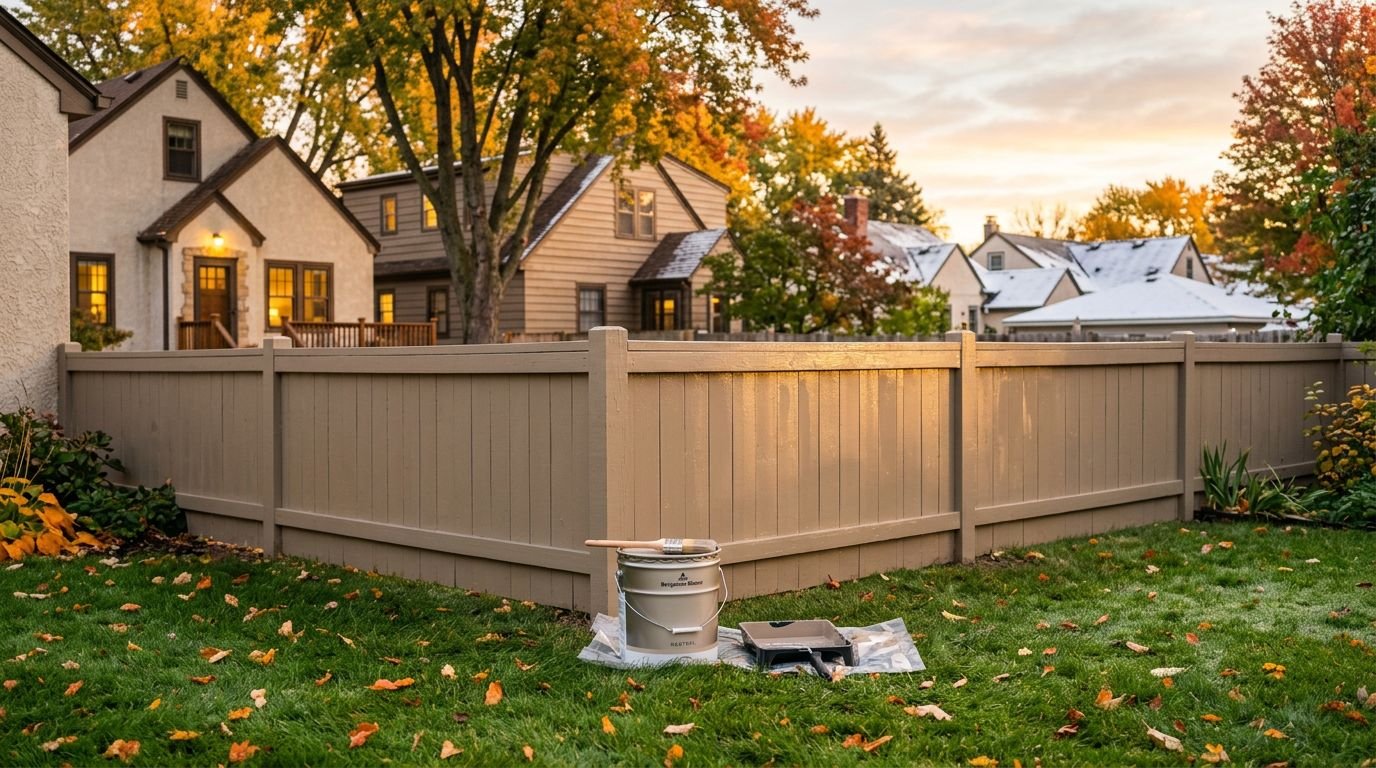
A weathered fence can detract from your property, but a fresh coat of paint or stain is an easy way to boost your curb appeal. For homeowners in Minneapolis MN, the typical fence painting cost Minneapolis ranges from about $650 for a small, straightforward project to $5,000 or more for a large, weathered privacy fence that requires extensive preparation.
The final price depends far more on the condition of your wood than the color you choose. Peeling paint, warped boards, mildew, and hard to reach sections all add to the labor requirements of the job. An on-site estimate remains the only reliable way to price your fence accurately.
Key Takeaways
- Most Minneapolis homeowners spend $1,200 to $2,800 to have a medium-size wood fence professionally painted.
- Factors such as fence height, total linear feet, surface condition, gates, and access significantly impact labor costs.
- Proper washing, scraping, sanding, and priming matter as much as the paint itself.
- Minneapolis weather limits the exterior painting season, so spring and early fall appointments can book quickly.
- A detailed written estimate should explain prep work, paint products, coats, cleanup, and workmanship coverage.
Typical Fence Painting Prices in Minneapolis
Professional fence painters often base their quotes on the linear foot of the project, though they also consider the total square footage, the condition of the wood, and the number of sides that require coating. A 6-foot privacy fence demands significantly more material and labor than a 4-foot picket fence, particularly when both sides are visible.
These are practical 2026 planning ranges for residential fences in Minneapolis, St. Paul, Edina, Minnetonka, Plymouth, Maple Grove, and nearby suburbs. To ensure you receive an accurate estimate, always confirm the scope of work with your contractor.
| Fence project | Typical professional price range |
|---|---|
| Small fence, 50 to 100 linear feet | $650 to $1,400 |
| Medium fence, 100 to 175 linear feet | $1,200 to $2,800 |
| Large privacy fence, 175 to 300 linear feet | $2,400 to $5,000 |
| Heavy scraping, repairs, or stripping | Add $400 to $1,500+ |
| Gates, lattice, railings, or detailed trim | Add $100 to $600+ |
A simple, clean fence near the lower end of these price range options may only need washing, light sanding, and two finish coats. However, an older cedar fence with failing paint can require several days of prep work, which will increase the total cost before a painter even opens the first gallon.
Prep work is where a fence paint job earns its lifespan. Paint applied over loose, chalky, or damp surfaces will fail early.
For any Minneapolis fence painting estimate, always clarify whether the contractor is pricing for painting both sides of the structure. Shared property line fences often create confusion if homeowners assume both faces are included in the initial quote.
What Drives the Cost of Painting a Fence
Fence size and fence height are the primary factors that start the conversation, but labor costs drive the majority of the final bill. Long runs of solid panels are usually faster to paint than decorative pickets, lattice tops, closely spaced boards, or fences with multiple gates. These same variables apply whether you are hiring for residential maintenance or commercial fence painting.
Surface condition and repairs
Minnesota winters are hard on exterior wood. Ice, snow buildup, moisture, and temperature swings can loosen paint and open cracks. Proper surface preparation is essential, as a contractor may need to replace damaged boards, reset protruding nails, secure loose pickets, or fill shallow holes before applying any new coat.
Mildew and algae also need treatment. Because paint will not bond well to a dirty surface, professional crews typically perform power washing and allow the structure to dry fully before priming or painting.
Fence material and existing coating
A wood fence typically requires the most intensive preparation. Cedar, pine, and pressure-treated lumber absorb coatings differently, so the paint system must match the specific condition of the wood. Bare areas often need an exterior primer before the topcoats are applied.
Vinyl, metal, and composite fences can also be painted, but they require compatible products and careful cleaning. Some materials have manufacturer restrictions, which should be checked before you decide to change the color.

Photo by Jan van der Wolf
Access and landscaping
A fence located behind mature shrubs, garden beds, sheds, or steep slopes takes longer to prepare and paint. Painters may need to protect nearby plantings, move outdoor furniture, and use hand brushes in areas where sprayers cannot reach cleanly.
Tight side yards in Minneapolis neighborhoods can also limit equipment access. Meanwhile, larger lots in Minnetonka, Plymouth, and Maple Grove may feature longer fence lines that naturally increase the overall material and labor requirements for the project.
Paint, Stain, and the Minnesota Weather Window
Many homeowners use the terms interchangeably, yet solid-color stain and exterior paint perform differently. Solid-color products soak into the wood fibers, whereas paint forms a protective film on the surface. Both options can enhance your curb appeal, but the right choice depends on the age of your fence, any previous coatings, and your desired maintenance schedule. If you are looking to refresh your wood features, professional fence staining is a popular choice for homeowners who prefer a more natural look that highlights the grain.
A previously painted fence generally needs a new layer of paint or a solid-color stain system that is compatible with the existing finish. Switching products without proper surface preparation can lead to peeling or uneven absorption.
Minneapolis crews must also work around specific temperature and moisture constraints. High-quality exterior paint requires dry wood and consistent air temperatures to cure properly. Minneapolis summers often bring humid stretches and sudden storms, while autumn nights cool down very quickly.
Spring through early fall is typically the most practical window for these projects. Professional contractors should always verify product labels for temperature limits and avoid working when rain, heavy dew, or cold conditions could compromise the adhesion of your new finish.
DIY Fence Painting Versus Hiring a Professional
A homeowner can paint a small fence for less cash upfront. When calculating your DIY budget, keep in mind that material costs for a basic project include cleaner, scrapers, sandpaper, brushes, rollers, drop cloths, primer, caulk, and exterior paint. Renting or buying a high-quality sprayer also adds to your expenses and requires a learning curve to master.
DIY savings often shrink when the fence needs extensive scraping or structural repairs. Furthermore, overspray can easily damage your siding, patio furniture, landscaping, or a neighbor’s property. Uneven coverage is another common risk that becomes apparent only after the finish dries. While residential work is demanding, commercial fence painting requires even more specialized equipment and safety protocols to manage larger perimeters and public visibility.
If you are concerned about quality and durability, hiring a professional is often the best path forward. A crew of professional painters brings the necessary prep tools, masking materials, ladders, sprayers, and product knowledge to ensure a long-lasting finish. A reputable Painting Service in Minneapolis should explain its surface-prep plan before work starts, not after the first coat is applied.
Homeowners often bundle outdoor projects with a home repaint to save on mobilization fees. If your interior rooms also need attention, a professional interior house painting service can help coordinate a broader maintenance plan around the same household schedule.
Questions to Ask Before You Approve an Estimate
A low bid may leave out the essential labor required to keep paint bonded through harsh Minneapolis winters. When you receive quotes, compare them line by line rather than choosing based solely on a single total. A clear understanding of the project scope ensures you are comparing apples to apples.
Ask each contractor about:
- The specific surface preparation included, such as washing, scraping, and detailed sanding and repairs.
- The paint or stain brand, the product line used, the number of coats applied, and the intended sheen.
- Whether the quote covers both sides of the fence, gates, lattice, and post caps.
- How crews protect your landscaping, siding, decks, and neighboring property.
- The written workmanship assurance and the specific conditions it covers.
Homeowners in Minneapolis MN who search for interior painters or a residential painting service often have multiple home improvement projects planned. Combining nearby work can make scheduling more efficient, as many of these firms also handle commercial fence painting alongside residential jobs. While you might bundle services to save on logistics, ensure that your fence pricing remains itemized separately to maintain transparency.
A Better Way to Budget for Fence Painting
Start with a realistic price range, then reserve extra room for repairs or heavy preparation. A newer fence in good shape may land near the low end of the estimate, while an older privacy fence with peeling layers and damaged boards will increase the total cost significantly because the surface requires careful correction first.
The project scope is the biggest factor in determining your final price. Whether you are dealing with a standard residential yard or commercial fence painting, which often requires more detailed logistics and heavy equipment, it is important to account for potential repairs. Proper surface preparation is the foundation of a long-lasting finish, so ensure your budget reflects the necessary prep work. Always request an on-site quote before setting a final budget, as the strongest value usually comes from durable coatings and professional application rather than the cheapest initial bid.
Frequently Asked Questions
How much does it cost to paint a 100-foot fence in Minneapolis?
For a standard 100 linear foot residential project, homeowners can expect a professional price range between $900 and $2,000 in 2026. Keep in mind that factors such as fence height, whether both sides require painting, and the amount of necessary surface scraping can influence your final quote. Please note that these rates may differ significantly from commercial fence painting projects, which often involve more complex structural requirements.
Is it cheaper to stain or paint a fence?
Solid-color stain and paint generally have similar labor costs. While stain may require less scraping on weathered wood, paint often necessitates more extensive surface preparation. The existing coating and the current condition of the wood will ultimately determine which option provides the best value for your property.
When should I paint a fence in Minnesota?
Late spring, summer, and early fall are typically the best times to tackle this project. Professional painters require dry wood, stable temperatures, and a weather forecast without immediate rain to ensure the product cures properly and lasts through our harsh winters.
For stronger local search visibility, pair the FAQ markup below with LocalBusiness schema that includes service areas, phone number, business hours, licensing details, and the estimate request page.