
Sticker shock usually starts with one simple thought, it’s only paint. With plaster walls, that thinking can lead you off course fast.
In Minneapolis, Saint Paul, and nearby suburbs, the cost to paint plaster walls in 2026 depends less on paint color and more on wall condition. Old cracks, patch marks, and uneven texture can turn a basic repaint into a repair-heavy job. Here’s what local homeowners should expect before they book a crew.
What Minneapolis homeowners are paying in 2026
For most homes in Minneapolis, professional plaster wall painting runs about $2.87 to $8 per square foot in 2026, including labor, materials, and basic prep. That’s a broad range, but plaster creates broad scenarios. A smooth bedroom in Richfield won’t price like a cracked living room in a 1920s Saint Paul home.
Simple wall-only jobs can start lower. A standard 12×12 bedroom may start around $270 for walls only, while a large 18×24 living room may start around $530. Once you add ceiling work, trim, doors, crack repair, stain blocking, or full priming, the total climbs.
This quick table shows common local pricing points:
| Project | Typical 2026 price |
|---|---|
| Plaster wall painting | $2.87 to $8 per sq ft |
| 12×12 bedroom, walls only | About $270 starting point |
| 18×24 living room, walls only | About $530 starting point |
| Extra repair labor | $20 to $50 per hour |
| Full interior, around 1,282 sq ft | About $6,586 to $8,829 |
Small jobs often carry minimum charges, so one room can cost more per square foot than a full-home repaint.
On plaster walls, the extra money usually goes into prep, not the paint itself.
Why hire a professional painter for pricing and prep?
A seasoned painter spots trouble before the first brush comes out. Loose skim coat, old nail pops, hidden water marks, and layered patching all affect price. That matters in older Minneapolis and Saint Paul homes, where freeze-thaw cycles often reopen cracks over time.
If you’re comparing a Painting Service in Minneapolis, ask what the quote includes. A low bid may skip patching time, sanding passes, or primer, and that shortcut can show up on the wall within months.
Why plaster walls cost more to prep than drywall
Plaster has charm, but it rarely gives you a blank canvas. Older homes in South Minneapolis, Edina, St. Louis Park, and Saint Paul often have hairline cracks, uneven repairs, or glossy old paint that needs extra sanding. Cold winters and summer humidity don’t help, because seasonal movement can make old flaws stand out again.
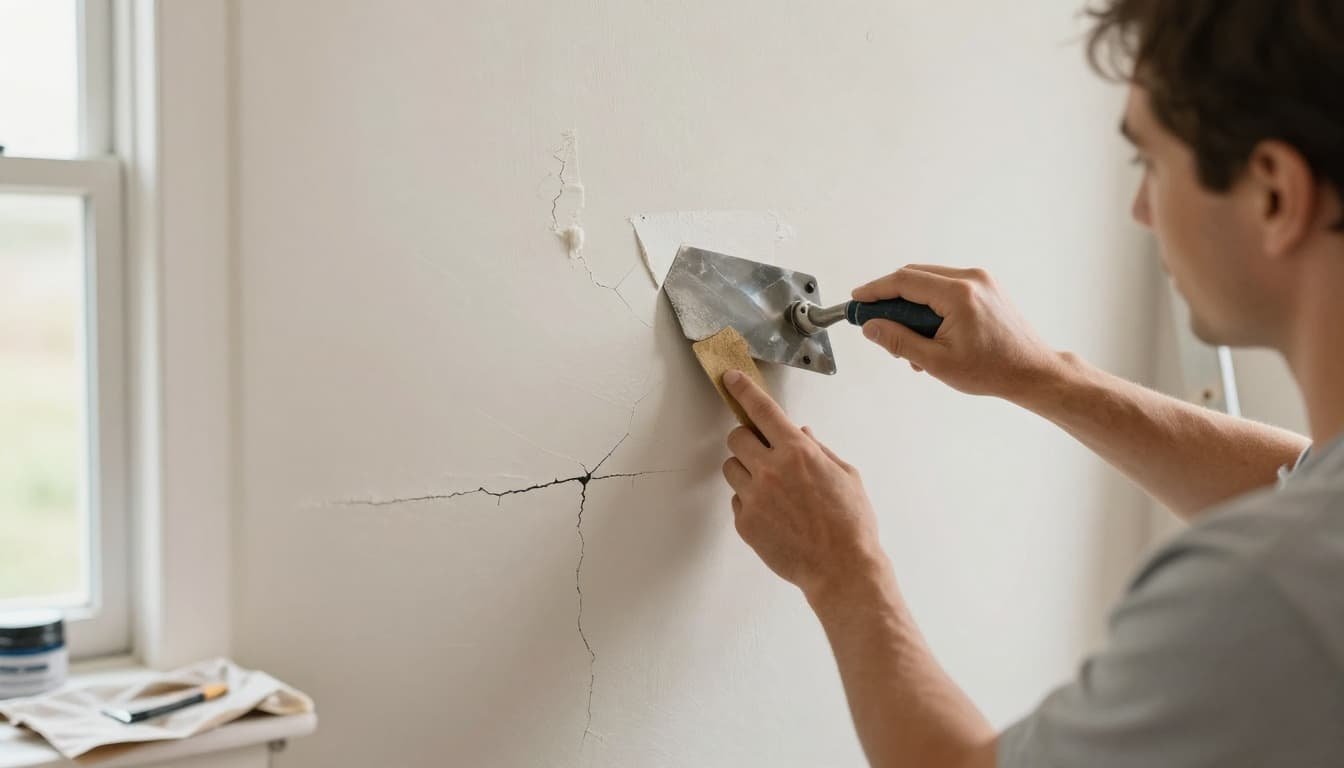
That’s why prep drives so much of the final cost. A crew may need to clean the walls, scrape loose spots, fill cracks, skim small damaged areas, sand for a flatter surface, then prime before painting. Drywall usually needs less of that work.
Homeowners often search for an interior house painting service Minneapolis, professional interior painters for Minneapolis homes, or trusted Minneapolis interior painting experts when plaster needs more than a quick repaint. If you want to see how a full prep-and-paint process should work, take a look at this interior house painting service Minneapolis.
Why hire a professional painter for plaster repair and finish quality?
Plaster is less forgiving than drywall. Miss a crack, and it telegraphs through the topcoat. Skip primer, and old repairs can flash through like bad makeup under bright light. Sand too aggressively, and you can scar the surface.
A solid Residential painting service in minneapolis should explain patching, sanding, priming, dust control, and cleanup in plain language. Good workmanship also has value after the job ends. A clear warranty and a cleaner finish usually beat a cheap repaint that needs touch-ups next winter.
What raises or lowers the final bill
Paint grade matters, but it usually isn’t the biggest cost driver. Materials for many interior jobs land around $0.93 to $1.01 per square foot, while labor and prep take the bigger share. In other words, wall condition decides more than brand name.
Other price factors are straightforward. Higher sheens show more flaws, so they often need better prep. Dark-to-light color changes can require extra coats. Ceilings, baseboards, and doors add cost fast. Rooms packed with furniture also take longer to protect and paint.
For homeowners choosing between DIY and a pro, the math isn’t only about supplies. The best interior painters minneapolis homeowners hire bring repair skill, cleaner lines, better dust control, and a finish that lasts longer. That matters when plaster walls already have age working against them.
FAQ about painting plaster walls in Minneapolis
How much does it cost to paint plaster walls per square foot?
Most Minneapolis homeowners can expect about $2.87 to $8 per square foot. Lower prices fit smoother walls, while older plaster with cracks and patching lands near the high end.
Does plaster cost more to paint than drywall?
Often, yes, but mainly because of prep. The paint itself may cost about the same, while plaster usually needs more patching, sanding, and priming.
How much does it cost to paint a plaster bedroom?
A basic 12×12 bedroom can start around $270 for walls only. If the room needs repairs, ceilings, trim, or extra coats, the final price goes up.
Is winter a bad time for interior plaster painting in Minnesota?
Not usually. Interior painting can work well in winter, as long as the home has steady heat and good airflow. Many homeowners book then because exterior work slows down.
Is DIY worth it on plaster walls?
Sometimes for a tiny touch-up, not often for a full room. DIY plaster painting can leave visible patches, flashing, rough sanding marks, and cracked repairs that return fast.
What should a professional quote include?
Look for labor, materials, prep steps, primer, number of coats, protection of floors and furniture, cleanup, and warranty details. If repair work is billed separately, the quote should say that clearly.
Old plaster can look beautiful, but it rewards patience and punishes shortcuts. In Minneapolis homes, the smartest way to control cost is to price the prep honestly from the start.
If your walls have cracks, old patch marks, or peeling areas, request a room-by-room estimate before buying paint. A local quote gives you the real number, and it gives you a much better chance at a finish you’ll still like next winter.