
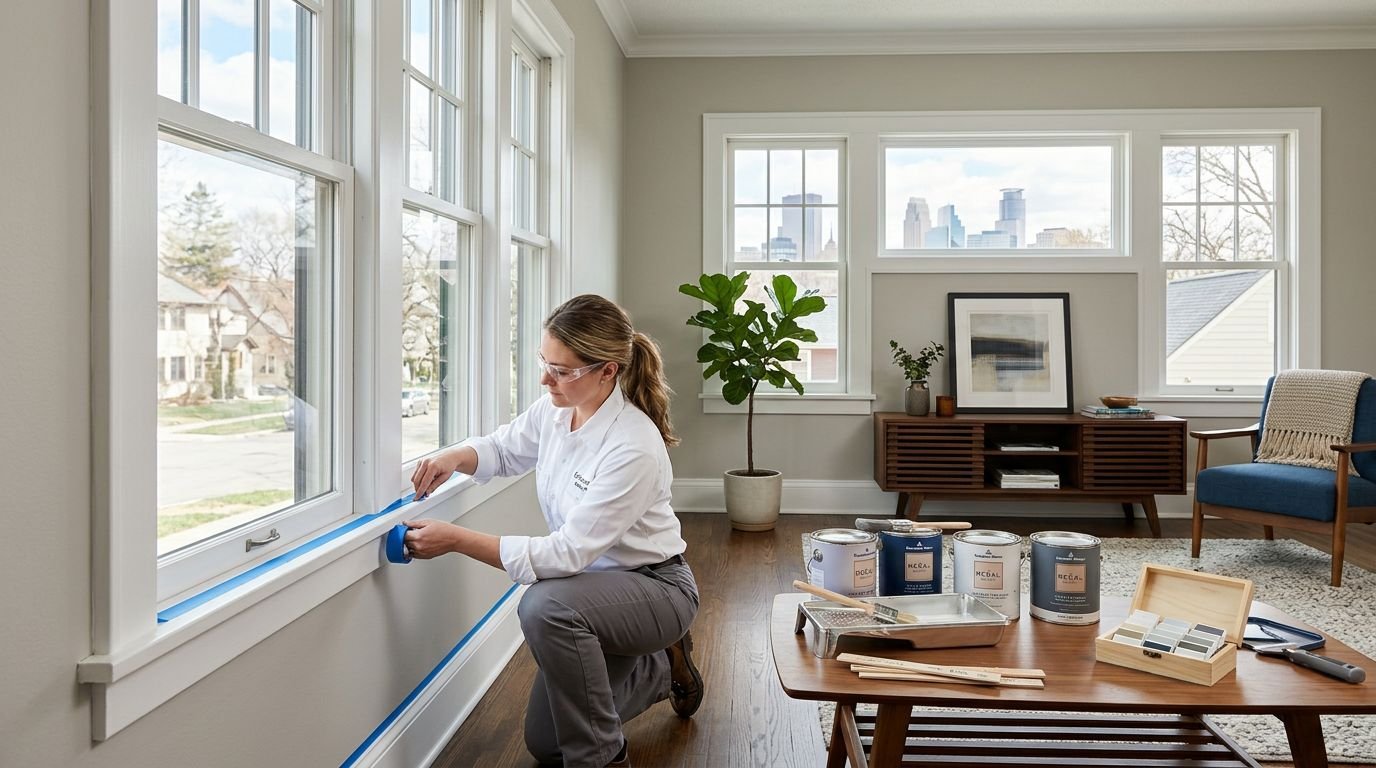
A fresh coat can hide a lot, but it can’t hide sloppy prep, weak products, or poor follow-through. That’s why the smartest homeowners ask sharp questions before they hire interior house painters Minneapolis residents can trust.
If you’re comparing painters in Minneapolis, St. Paul, Edina, Minnetonka, Plymouth, Maple Grove, Eden Prairie, Bloomington, or nearby suburbs, the same rules apply. A good estimate should feel clear, specific, and calm, not rushed.
Start with license, insurance, and local experience
The first questions should be simple. Are they licensed, insured, and easy to reach?
A reliable crew should answer without hesitation. Ask for proof of general liability insurance and workers’ compensation, then make sure the coverage is current. If anyone gets hurt or a wall gets damaged, you want that protection in place.
Ask how long they’ve worked on homes in the Twin Cities. Interior work in an older Minneapolis bungalow is not the same as painting a newer Minnetonka home. Trim profiles, wall texture, plaster repairs, and humidity swings all change the job.
You should also ask who will be in your home. Some companies send the same crew leader to every project. Others use different workers from day to day. Either can work, but you should know the plan.
If you want a good benchmark for what a trusted interior house painting service should explain up front, start with those basics. A strong contractor will make the process feel organized before the first drop cloth goes down.
A few questions belong on every call:
- Are you licensed and insured in Minnesota?
- Do you carry workers’ comp for your crew?
- How much interior painting work do you do in this area?
- Who will manage the project each day?
- Can you share recent local references?
Searches for interior painters minneapolis will turn up plenty of options. The best ones answer clearly and don’t dodge the basics.
Ask how they handle prep and surface repair
Prep is where a good paint job starts to show its value. Paint covers color, but prep controls how long the finish lasts.
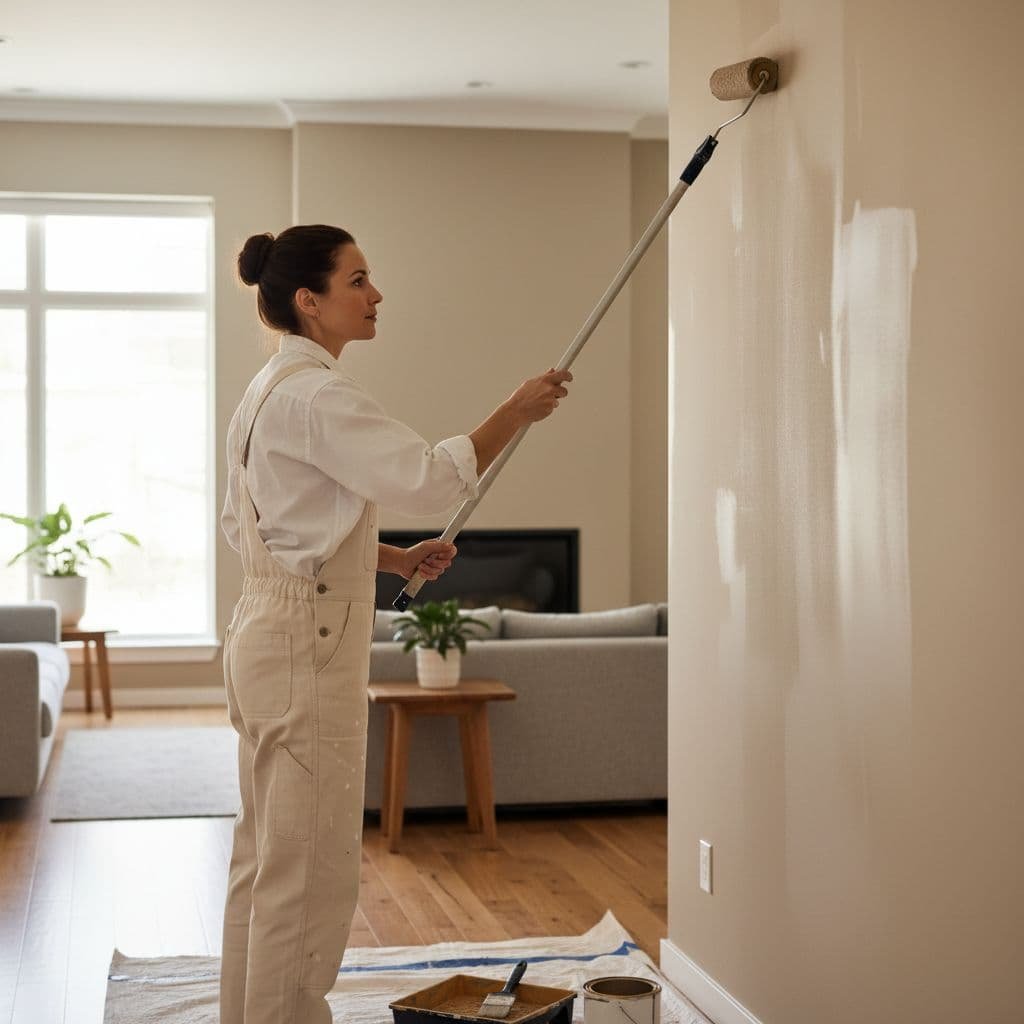
Ask exactly what prep is included. The answer should mention patching nail holes, repairing dents, caulking gaps, sanding rough spots, and protecting floors and furniture. If drywall repair is needed, find out whether that is part of the quote or a separate line item.
A homeowner can roll color on a wall in a weekend. The hard part is the prep around corners, trim, and problem areas. That’s where DIY jobs often fall apart later, especially on walls that show every bump in strong winter light.
Ask painters to walk you through how they treat problem spots. Do they spot-prime repairs? Do they sand between coats? Do they mask hardware and remove outlet covers? Those details matter more than a flashy sales pitch.
A strong Painting Service in Minneapolis should describe prep in plain language. If the answer sounds vague, the finish probably will too.
Here’s a quick way to compare responses:
| Question | Strong answer | Red flag |
|---|---|---|
| How do you prep walls? | Patch, sand, caulk, prime, and protect all surfaces | “We handle it as needed” |
| Do you repair drywall? | Yes, with clear limits and pricing | “We’ll see when we get there” |
| How do you protect floors? | Drop cloths, masking, and careful cleanup | No mention of protection |
| How many coats do you apply? | Primer plus two coats when needed | One coat is “usually fine” |
A good estimate should make the prep visible. If it doesn’t, the price may be hiding shortcuts.
Talk about paint products, coats, and Minnesota timing
Paint choice matters more than most people think. The right sheen in a hallway, bedroom, or kitchen can change how the room looks and how easy it is to clean.
Ask what brands and product lines they use. You don’t need a chemistry lesson, but you do need to know whether they use durable, washable finishes for high-traffic rooms. For homes with kids, pets, or heavy use, that detail matters.
Also ask about primer. Bare drywall, patched areas, stained spots, and dark color changes often need primer before finish coats go on. A painter who skips that step may save time, but the walls often pay for it later.
Minnesota weather also shapes the schedule. Cold months bring dry furnace air, closed windows, and tighter ventilation. Summer can bring humidity that slows cure time. Good painters plan around that, keep indoor temperatures stable, and tell you what to expect before they start.
A quick look at Thumbtack’s Minneapolis interior painting listings can give you a rough sense of local pricing, but a written estimate is more useful than any posted average. The real question is what the number includes.
Ask these timing questions:
- How many coats are included?
- How long before the room can be used again?
- Will you need windows open for ventilation?
- How do you handle paint smells in occupied homes?
- What happens if weather or drying time slows the schedule?
A dependable Residential painting service in minneapolis should explain the timing in plain terms. That matters even more in homes where people are working, sleeping, or caring for kids while the project is underway.
Make cleanliness, communication, and warranty part of the quote
Clean work is a sign of respect. It also says a lot about how carefully the crew handles your home.
Ask how they protect furniture, floors, fixtures, and vents. Find out whether they move heavy items, cover them, or expect you to clear rooms first. Then ask what the daily cleanup looks like. A solid crew leaves rooms usable, keeps paths clear, and removes tape and trash as they go.
Communication matters just as much. You should know who answers questions, when you’ll get updates, and how changes are approved. If a wall needs more repair than expected, you want that conversation early.
A vague quote is a warning sign. Clear painters can explain prep, coats, cleanup, and follow-up before they start.
Warranty questions belong in the first conversation, not after the paint dries. Ask what the warranty covers, how long it lasts, and what counts as a claim. A workmanship warranty should be more than a line on a flyer.
Ask about touch-up policy too. Even careful interior work can show small marks after furniture moves back in. Good contractors explain how touch-ups are handled and what is included after the final walk-through.
When you compare a Painting Service in Minneapolis, the cleanest bid is often the one with the clearest process. That usually means fewer surprises later.
Compare written quotes line by line
Two bids can look similar and still cover very different work. That’s why written details matter more than the total price.
A professional estimate should list rooms, surfaces, paint brands, prep tasks, coat counts, and cleanup. It should also spell out what is excluded. That way, you know whether ceilings, closets, trim, doors, or patching are included before anyone picks up a brush.
Use this checklist when you compare bids:
- Room names and surface areas are listed clearly.
- Prep work is described, not implied.
- Paint products and sheen levels are named.
- Timeline and work hours are included.
- Payment terms are written down.
- Warranty terms are easy to read.
A good quote makes comparison simple. A weak one leaves room for surprise charges, skipped prep, and tense conversations halfway through the job.
A Residential painting service in minneapolis should be able to explain each line without rushing. If one quote is far lower than the others, ask what was left out.
Conclusion
The best painters don’t just promise a nicer room. They explain how they’ll protect your home, prep the surfaces, and finish the work with care.
When you ask about insurance, prep, materials, timelines, cleanup, and warranty, you get a clearer picture of the crew behind the estimate. That makes the choice easier, whether you’re repainting one room or an entire house.
The right questions turn a paint job into a plan. That’s the difference between hoping for a good finish and hiring for one.
FAQ: Hiring Interior House Painters in Minneapolis
How do I know if an interior painter is qualified?
Ask for license and insurance proof, recent local references, and a written estimate. Qualified painters answer clearly and explain their process without pressure.
What should be included in an interior painting quote?
A good quote includes rooms, prep work, paint products, number of coats, cleanup, timeline, and warranty details. It should also list anything excluded from the job.
Do interior painters handle drywall repair?
Many do, but the level of repair varies. Ask whether small patching, seam repair, and larger drywall fixes are included or billed separately.
How long does an interior paint job take?
Many interior projects take two to five days, depending on room count, prep, and drying time. Larger homes or heavy repair work can take longer.
What should I ask about paint brands and finishes?
Ask which product lines they use, what sheen fits each room, and whether low-VOC options are available. Durable finishes matter in kitchens, hallways, and family spaces.
Is winter a bad time to paint inside in Minnesota?
No, but it does require good planning. Heating systems, dry air, and limited ventilation can affect timing, so the crew should plan around those conditions.
What is a red flag in a painting estimate?
Vague prep language, no warranty, no insurance proof, and missing room details are all warning signs. A low price without scope details often means shortcuts later.
Should I ask for a warranty on interior painting?
Yes. Ask what the warranty covers, how long it lasts, and how the contractor handles touch-ups or peeling related to workmanship.
Suggested LocalBusiness schema enhancement: add service area, license, insurance, hours, phone, and review properties.
{
  "@context": "https://schema.org",
  "@type": "FAQPage",
  "mainEntity": [
    {
      "@type": "Question",
      "name": "How do I know if an interior painter is qualified?",
      "acceptedAnswer": {
        "@type": "Answer",
        "text": "Ask for license and insurance proof, recent local references, and a written estimate. Qualified painters answer clearly and explain their process without pressure."
      }
    },
    {
      "@type": "Question",
      "name": "What should be included in an interior painting quote?",
      "acceptedAnswer": {
        "@type": "Answer",
        "text": "A good quote includes rooms, prep work, paint products, number of coats, cleanup, timeline, and warranty details. It should also list anything excluded from the job."
      }
    },
    {
      "@type": "Question",
      "name": "Do interior painters handle drywall repair?",
      "acceptedAnswer": {
        "@type": "Answer",
        "text": "Many do, but the level of repair varies. Ask whether small patching, seam repair, and larger drywall fixes are included or billed separately."
      }
    },
    {
      "@type": "Question",
      "name": "How long does an interior paint job take?",
      "acceptedAnswer": {
        "@type": "Answer",
        "text": "Many interior projects take two to five days, depending on room count, prep, and drying time. Larger homes or heavy repair work can take longer."
      }
    },
    {
      "@type": "Question",
      "name": "What should I ask about paint brands and finishes?",
      "acceptedAnswer": {
        "@type": "Answer",
        "text": "Ask which product lines they use, what sheen fits each room, and whether low-VOC options are available. Durable finishes matter in kitchens, hallways, and family spaces."
      }
    },
    {
      "@type": "Question",
      "name": "Is winter a bad time to paint inside in Minnesota?",
      "acceptedAnswer": {
        "@type": "Answer",
        "text": "No, but it does require good planning. Heating systems, dry air, and limited ventilation can affect timing, so the crew should plan around those conditions."
      }
    }
  ]
}