
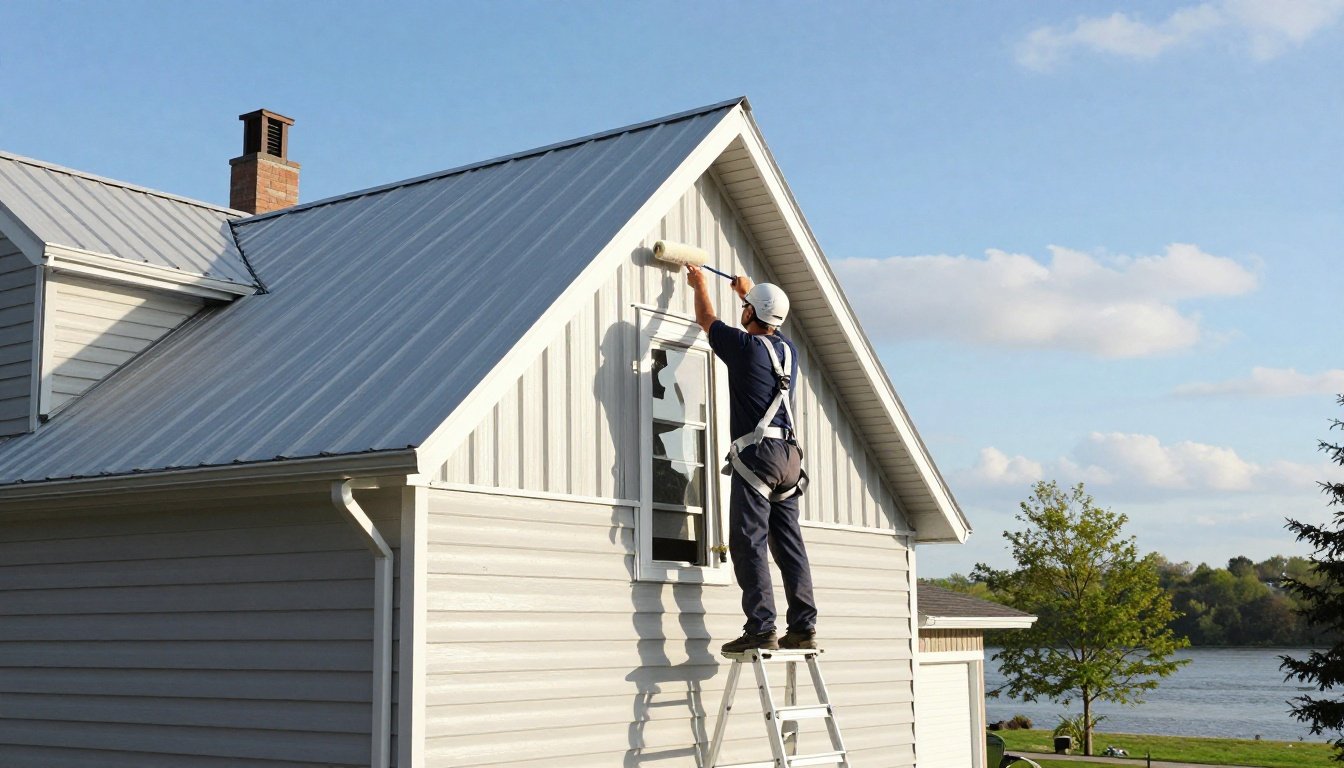
If your aluminum siding still has good bones, painting it can be the smart middle ground between ignoring it and replacing it. For many Twin Cities homeowners, the paint aluminum siding cost in 2026 is easier to handle than a full exterior remodel.
In Minneapolis and nearby suburbs, most projects fall between about $3,000 and $7,000. Still, no two homes price out the same. Prep work, oxidation, height, weather windows, and product quality all move the number. A low bid can look good at first, then peel like a sunburn after one hard winter.
Average 2026 aluminum siding painting costs in Minneapolis
Current local pricing puts aluminum siding painting at about $0.95 to $3.30 per square foot. For a typical Minneapolis home, many jobs land around $2,988 to $7,068. Labor takes a big share of that cost, and local painter rates often run from $24 to $94 per hour per painter.
This quick table gives a useful starting point:
| Home size | Typical 2026 cost |
|---|---|
| 1,000 to 1,500 sq ft | $1,400 to $3,300 |
| 1,500 to 2,500 sq ft | $2,125 to $5,825 |
| 2,000+ sq ft or more complex exteriors | $2,825 to $7,525 |
| Cost per sq ft | $0.95 to $3.30 |
These numbers usually include washing, surface prep, paint application, and cleanup. Paint itself often costs $35 to $70 per gallon, while primer usually adds $20 to $50 per gallon. Most homes need two finish coats, and aluminum siding often performs best when the crew uses the right primer first, then a durable acrylic topcoat.
Local pricing still sits a bit below the national average, by about 6 percent in current market data. However, Minnesota weather is rough on shortcuts. Freeze-thaw swings, humidity, and long winters mean the cheapest job isn’t always the best value.
What raises or lowers the price on your house
House size matters, but prep work often matters more. Aluminum siding can build up a chalky film called oxidation. If that film isn’t cleaned off, paint won’t bond well. Add peeling spots, mildew, failed caulk, or dented panels, and the price moves up fast.
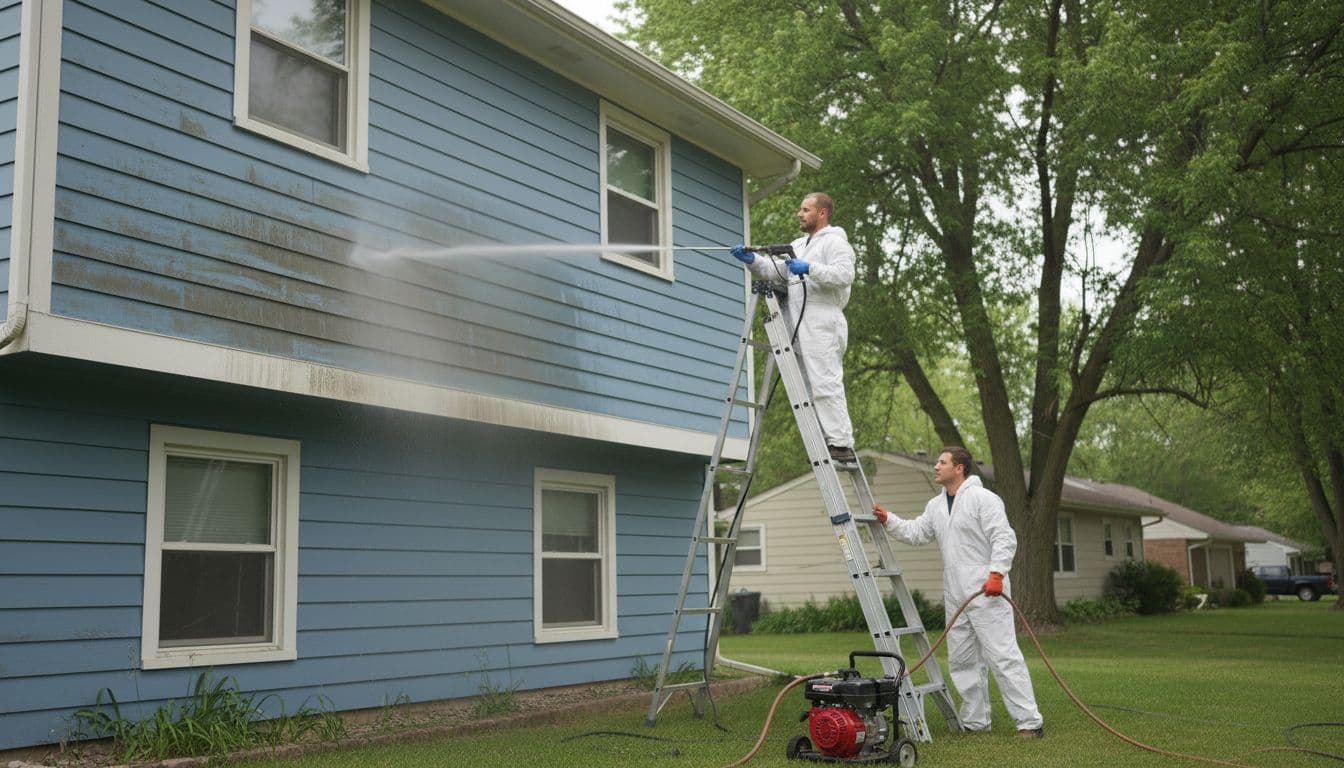
Two-story homes also cost more because access is slower and safety steps take time. Then there are color changes. Going from a dark finish to a light one can require extra primer and another coat. Homes built before 1978 may add lead-safe work too, which can raise the bill by several thousand dollars if old coatings need special handling.
Season also plays a big part in Minneapolis. Exterior painting usually works best from late spring into early fall, when siding is dry and temperatures stay steady. Cold snaps can hurt adhesion. On the other hand, humid stretches slow drying and can stretch the schedule.
In Minnesota, good prep is the paint job.
If you want a tighter number, get an estimate before peak summer slots fill up. A site visit can catch oxidation, failed caulk, and trim issues that online calculators miss.
Why hiring a pro often saves money later
DIY painting sounds simple until the ladder goes up and the siding starts fighting back. Aluminum expands and contracts with temperature swings. Miss the prep, use the wrong primer, or paint in the wrong weather, and the finish can fail early.
A professional crew usually brings more than brushes and rollers. You’re paying for washing, masking, repair judgment, product knowledge, safe ladder work, and a cleaner finish line. Most exterior jobs also take 3 to 7 days, depending on scope and weather, so scheduling and pace matter.
Homeowners often search terms like Painting Service in Minneapolis, Residential painting service in minneapolis, or interior painters minneapolis when they want one trusted company for more than one project. That’s reasonable. Still, for aluminum siding, pick the contractor that spells out prep, primer, number of coats, cleanup, and warranty in writing. A clear scope beats a vague low quote every time.
The value isn’t just appearance. A well-done job helps your siding last longer, sheds water better, and keeps the home looking cared for in neighborhoods from South Minneapolis to Plymouth, Edina, and Maple Grove.
The bottom line for Minneapolis homeowners
If your siding is solid, painting is often the better value. The smartest next step is a detailed estimate that breaks out prep, materials, coats, and warranty coverage. Ask how the crew handles oxidation, weather delays, and surface repairs. Then request your estimate before exterior painting season gets crowded.
Suggested internal link anchor texts
- exterior house painting services in Minneapolis
- interior house painting service for Twin Cities homes
- residential painting company in Minneapolis
FAQ schema markup
{ “@context”: “https://schema.org“, “@type”: “FAQPage”, “mainEntity”: [ { “@type”: “Question”, “name”: “How much does it cost to paint aluminum siding in Minneapolis in 2026?”, “acceptedAnswer”: { “@type”: “Answer”, “text”: “Most Minneapolis homeowners pay about $0.95 to $3.30 per square foot, or roughly $2,988 to $7,068 for a typical home, depending on prep, size, access, and number of coats.” } }, { “@type”: “Question”, “name”: “What makes aluminum siding painting cost more?”, “acceptedAnswer”: { “@type”: “Answer”, “text”: “Heavy oxidation, peeling paint, two-story access, repairs, major color changes, and lead-safe work on older homes can all raise the price.” } }, { “@type”: “Question”, “name”: “What paint system works best on aluminum siding in Minnesota?”, “acceptedAnswer”: { “@type”: “Answer”, “text”: “Many pros use thorough washing and prep, then a suitable primer and 100% acrylic latex finish coats because they handle moisture and seasonal swings well.” } } ] }
LocalBusiness schema suggestion: add HousePainter or LocalBusiness markup with serviceArea for Minneapolis, St. Paul, and nearby suburbs, plus phone, hours, review data, images, and sameAs profiles.