

That extra line for low-VOC paint upcharges can look minor at first, then grow fast when it applies to every wall, ceiling, and trim board in the house. In Minneapolis homes, the added cost is common, but it usually reflects real differences in paint quality, indoor air comfort, and how the job is built to last.
If you’re comparing estimates, don’t stop at the total. The smarter move is to find out what the upcharge buys, and whether it fits your home, your schedule, and Minnesota’s climate.
Why low-VOC paint upcharges show up on Minneapolis estimates
Low-VOC paint often costs more because the product itself costs more. Premium low-odor and eco-friendly house paint lines usually come from better resin systems, stronger hide, and higher-end pigments. When a painter upgrades from contractor-grade paint to a premium low-VOC interior paint, the material line item rises first.
That matters even more in occupied homes. Minneapolis homeowners often choose low-VOC products for bedrooms, nurseries, kitchens, and winter projects, when windows stay closed and fresh-air ventilation is limited. A lower-odor paint can make daily life easier during the job, especially if kids, pets, or sensitive family members are in the house.
Still, the paint can isn’t the whole story. Some low-VOC colors, especially deep blues, reds, and rich greens, may need extra coats for even coverage. If the walls are patched, stained, glossy, or damaged, painters may also need specialty primer before the finish coats go on. At that point, the upcharge includes both materials and added labor.
A residential painting service in Minneapolis should be able to explain that math in plain language. If the estimate only says “premium paint upgrade” with no brand, no product line, and no coat count, you’re missing the details that matter.
Premium lines from major brands such as Sherwin-Williams and Benjamin Moore often raise the price. However, that doesn’t automatically mean the bid is inflated. A better product, applied well, can mean less odor, better washability, and a finish that still looks clean years later.
What changes low-VOC paint cost in local homes
Paint pricing shifts from house to house because the surfaces shift. A smooth bedroom wall is one thing. Old trim with dents, caulk gaps, and previous oil-based coatings is another.
Inside, sheen affects price. So does the amount of detail work. Doors, baseboards, built-ins, stair rails, and cabinets take more time than flat wall space. Low-VOC paint cost also climbs when drywall repairs, popcorn ceiling patching, or stain blocking enter the job.
Outside, Minneapolis weather adds another layer. Cold winters, summer humidity, and freeze-thaw cycles punish weak prep work. Exterior painting needs dry surfaces, sound caulk, and the right temperature window. If the siding needs scraping, sanding, priming, or minor wood repair, the estimate goes up for good reason.
This quick table shows where the upcharge usually comes from:
| Cost factor | Why it adds to the price | What to ask |
|---|---|---|
| Premium low-VOC paint line | Higher material cost per gallon | Ask for the exact brand and product name |
| Dark or vivid colors | Often need more coats | Ask whether two coats are included |
| Repairs and primer | Prep takes labor and extra products | Ask what surface prep is covered |
| Exterior timing and conditions | Weather limits safe work days | Ask about seasonal scheduling and cure time |
When you compare a painting service in Minneapolis, ask for those details in writing. That single step makes quotes much easier to judge.
If you’re planning a project this season, getting an estimate early helps. Summer schedules fill quickly, and exterior timing gets tighter when humidity and rain pile up.
Why professional interior painters in Minneapolis are worth the difference
Low-VOC paint doesn’t fix poor prep. That’s where experienced crews separate themselves from a weekend DIY job.
The interior painters Minneapolis homeowners trust spend time on surface repair, sanding, caulking, masking, and clean cut lines. They know when a stain-blocking primer is needed, when old patchwork will flash through the finish, and when a wall needs another pass for uniform sheen. That work is easy to miss in a rushed estimate, yet it’s what gives the room that sharp, even look.
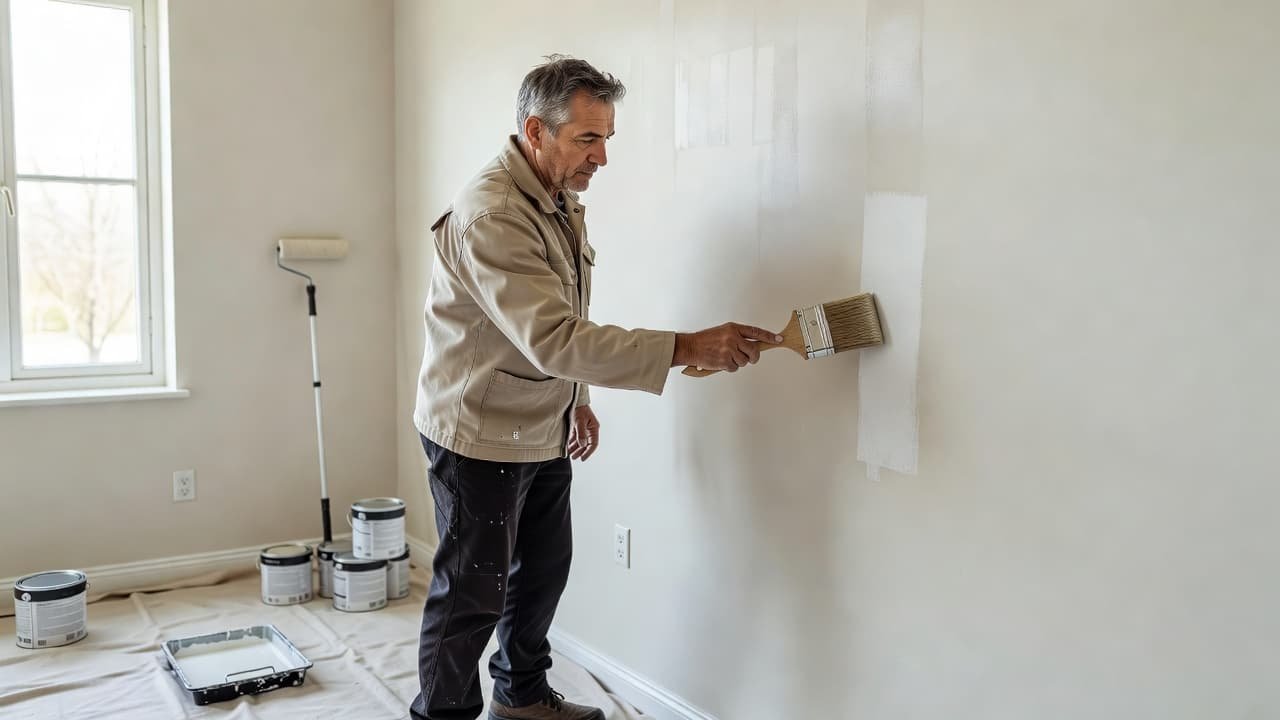
A professional crew also protects your home better. Floors get covered, furniture gets moved or masked, switch plates come off, and cleanup stays under control. For many families, that alone is worth paying for. Interior projects often finish in 2 to 5 days, depending on the scope, instead of stretching across several weekends.
Another benefit is product matching. A good crew won’t use the same coating everywhere. Bathrooms, kitchens, ceilings, trim, and high-traffic hallways all perform differently. If you want to see what a full-service process should include, review these Minneapolis interior painting services.
There is also warranty value. If adhesion, flashing, or coverage problems show up after the job, a professional painter can return and correct the issue. A do-it-yourself mistake usually means buying more paint, giving up more time, and repainting the same area twice.
The cheapest gallon on the estimate can become the most expensive choice if it needs extra coats or fails early.
If you want clearer numbers, ask for an in-home estimate that separates prep, paint grade, and coat count. That small step can save a lot of guesswork.
Why exterior painting needs pro timing in Minnesota weather
Exterior low-VOC coatings can perform well here, but only when crews respect the weather. Minneapolis homes go through hard seasonal swings. Winter cold tightens and cracks materials. Summer humidity slows drying. Freeze-thaw cycles push moisture into weak spots around trim, siding, and caulk joints.
Because of that, exterior painting is less about speed and more about timing. Pros watch surface dryness, overnight lows, incoming rain, and direct sun exposure. They also know when the substrate is too cold, too damp, or too weathered for finish paint.
That knowledge protects the paint job you paid for. If crews rush spring prep or paint too late into fall, the film may not cure well. Peeling, blistering, and early wear can show up sooner, even with premium products.
A solid exterior bid should explain prep in detail. Scraping loose paint, feather-sanding edges, spot priming bare areas, and replacing failed caulk all affect longevity. Exterior projects often take 3 to 7 days, depending on home size and the weather window.
In Minneapolis, premium paint still fails when prep is weak or the timing is wrong.
For homeowners, that’s one of the strongest reasons to hire residential painters in Minneapolis instead of treating exterior work like a quick weekend project.
How to compare quotes without overpaying
The right quote is clear, not vague. Price matters, but line-item detail matters more.
A strong residential painting service in Minneapolis will usually spell out four things:
- The exact paint brand and product line
- The number of coats included
- The prep work and repairs covered
- The workmanship warranty and cleanup plan
Any painting service in Minneapolis that rolls those details into one lump sum is harder to trust. You need to know whether you’re paying for better paint, more prep, better protection, or all three.
Low-VOC upgrades are often worth it in occupied homes. They make even more sense when paired with careful prep and professional application. Without that groundwork, you’re paying extra for paint while risking average results.
Conclusion
Low-VOC paint upcharges aren’t automatically a red flag. In many Minneapolis homes, they reflect better materials, cleaner indoor conditions, and a paint job built to hold up through daily wear and Minnesota weather.
If you’re ready to move forward, request a written estimate that lists the paint line, prep, coat count, and warranty. That’s the clearest way to judge whether the low-VOC upgrade earns its place in your home.
FAQs
Are low-VOC paints more expensive than regular paint?
Usually, yes. Premium low-VOC and zero-VOC lines often cost more per gallon than contractor-grade paint. The total upcharge can grow further if the color needs extra coats or if the painter includes specialty primer.
Is low-VOC interior paint worth it during a Minneapolis winter?
For many households, yes. Winter projects happen with windows closed and heat running, so lower-odor paint can make the space more comfortable during and right after the job. That matters most in bedrooms, living areas, and homes with kids or pets.
Do low-VOC paints last as long as standard paints?
They can, as long as the product matches the surface and the prep is done right. Longevity depends on adhesion, coverage, and application quality, not just the VOC label.
Why does exterior low-VOC paint pricing vary so much?
Exterior pricing changes with siding condition, prep needs, trim detail, and weather timing. A home with peeling paint, open caulk joints, or moisture issues will cost more than a home with stable, well-maintained surfaces.
Can buying my own paint lower the estimate?
Sometimes, but not always. Homeowners may save on markup, yet they can also buy the wrong sheen, under-buy gallons, or choose a product that needs more coats. Most professional painters get better consistency when they supply the full system themselves.
What should I ask before approving a quote?
Ask for the exact paint line, number of coats, prep steps, timeline, and warranty in writing. Then compare those details across bids, not only the bottom-line price. If you want the clearest answer for your home, request estimates from residential interior and exterior painters who work in Minneapolis and nearby suburbs every day.