
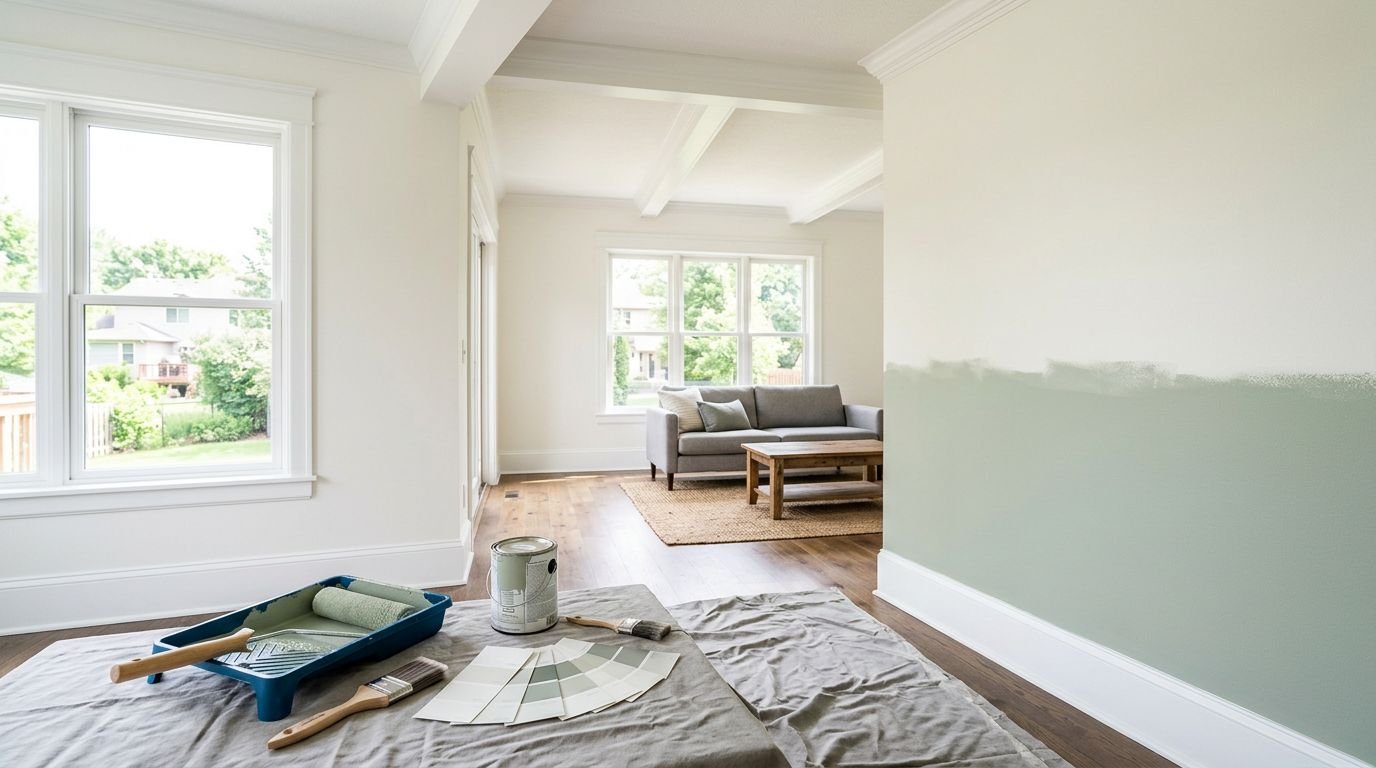
Fresh interior paint can make a home feel cleaner, brighter, and more settled. Still, the interior painting cost Brooklyn Park residents experience depends on more than just total square footage. Wall condition, ceiling height, trim, color changes, and the overall level of preparation all affect the final number you see on your invoice.
For most homeowners, a detailed on-site estimate is more useful than a broad online average. It provides a clear picture of what your specific rooms need before a professional painter ever touches the wall.
Key Takeaways
- Brooklyn Park homeowners can expect many professional interior projects to fall between $2.50 and $4.50 in cost per square foot for walls and ceilings.
- A full interior repaint for a 2,000 to 2,500 square foot suburban home often sees interior house painting prices run from $6,500 to $12,000.
- Surface preparation, tall ceilings, trim, repairs, and major color changes raise the price.
- Written estimates should explain preparation, paint, coats, protection, cleanup, and workmanship coverage.
- DIY can reduce labor costs, but repairs, uneven coverage, and lost time can erase the savings.
Typical Brooklyn Park Interior Painting Prices for 2026
Brooklyn Park homes range from compact townhomes and apartment painting Brooklyn projects to larger two-story properties with open foyers and detailed trim. That range explains why one homeowner may pay a few thousand dollars while another receives a quote closer to five figures.
For standard walls and ceilings in good condition, professional pricing commonly falls around $2.50 to $4.50 in cost per square foot of paintable surface. Projects that include ceiling and trim painting, baseboards, doors, crown molding, or extensive patching can push the cost per square foot to $6 or more.
Published averages can look confusing because some sources measure floor area while others calculate wall and ceiling surface. Local interior house painting prices also show a broad range, which reinforces why scope matters more than a single average.
| Project scope | Typical 2026 Brooklyn Park range | What commonly affects the price |
|---|---|---|
| One standard 12-by-12 bedroom | $400 to $800 | Wall repairs, trim, ceiling, color change |
| Living room | $450 to $1,200 | Open layout, vaulted ceiling, accent walls |
| Bathroom | $280 to $650 | Moisture-resistant paint, tight corners, ventilation |
| Stairwell or high foyer | $600 to $1,500+ | Ladder work, height, detailed cutting-in |
| Full 2,000 to 2,500-square-foot home | $6,500 to $12,000 | Prep, ceilings, trim, number of colors |
A low quote may cover walls only with limited patching. A higher quote may include full protection, repairs, two coats, premium paint, trim work, and a final walkthrough.
What Drives the Cost of Interior Painting
Labor represents the largest portion of most residential painting budgets. When you hire a professional painting contractor, you are paying for their expertise in preparation. Skilled crews spend the majority of their time setting up the room rather than simply rolling paint. A polished finish starts with thorough wall prep and repair, including cleaning surfaces, filling holes, sanding patches, and achieving straight cut lines.
Wall condition and repairs
Small nail holes are usually routine. However, loose drywall tape, water stains, cracked corners, damaged plaster, or previous paint failure require more time and labor. Contractors may also need to apply a stain blocking primer before the finish paint. Because professional painters are licensed and insured, they prioritize these foundational steps to ensure your paint job lasts for years.
Cold Minnesota winters can make small drywall cracks more noticeable after freeze thaw movement. These repairs are manageable, but they should be clearly listed in your written estimate rather than treated as a surprise expense later.
Ceilings, trim, and detailed spaces
Walls are fast to paint compared with ceilings and trim. Baseboards, doors, window casings, crown molding, and built in shelving require careful masking and precise brushwork. Similar to the technical precision required for brownstone painting services, work in tall stairwells or rooms with complex architectural details takes more setup time and specialized access equipment.
Color changes also impact your final cost. Painting deep red, navy, or charcoal walls a light neutral shade often requires an extra coat of high quality primer. Conversely, moving between similar color palettes can reduce both material and labor needs.
The cheapest quote is only a bargain when it includes the preparation and finish quality your home needs.
A dependable Painting Service in Minneapolis should spell out exactly which surfaces are included, how repairs are handled, and what specific paint products the crew plans to use.
Room-by-Room Budget Planning
Planning by room helps homeowners phase a project without losing sight of the whole-home budget. Bedrooms and living rooms often offer the best value because painters can protect the space, prep surfaces, and apply paint efficiently.
Bathrooms and kitchens may be smaller, yet they are not always cheaper. Cabinets, tile edges, moisture-resistant coatings, appliances, and tight working areas add significant labor. Because it involves intensive cleaning, sanding, priming, and durable coatings, cabinet painting cost should always appear as a separate line item in your quote. While the scale of work in Brooklyn Park differs from the complex NYC painting logistics often seen in tighter urban corridors, these spaces still require careful navigation around appliances and fixtures.
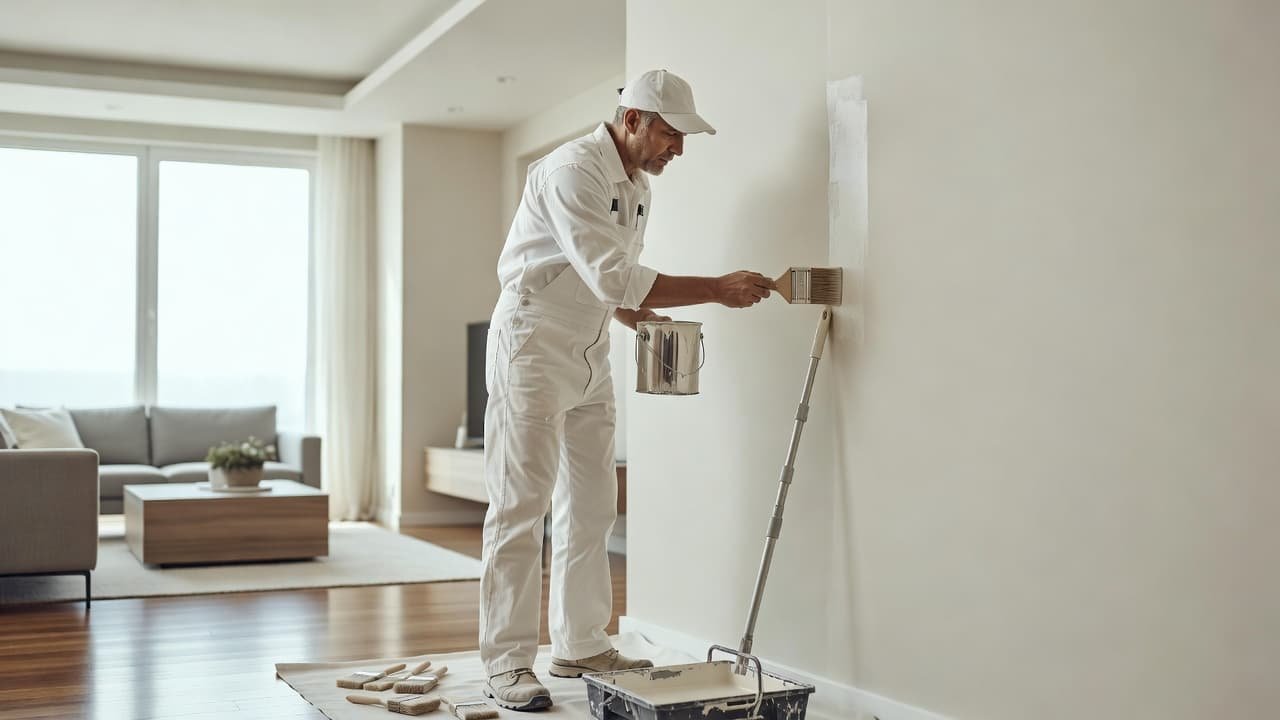
For a practical budget, group rooms by urgency. Repaint high-traffic halls, entryways, children’s rooms, and kitchens first. Then schedule guest rooms or formal spaces later if needed.
A standard bedroom in good shape may stay near the lower end of the range. Add ceiling and trim painting, damaged drywall repair, dark-color coverage, or detailed millwork, and the price climbs. That is not padding. Each added surface requires extra protection, detailed prep, specific paint types, and additional cleanup.
What Professional Preparation Should Include
Achieving professional results depends on the surface preparation steps taken before any paint touches your walls. A crew should protect floors, furniture, counters, and fixtures with drop cloths and plastic. Beyond protection, thorough wall prep and repair is essential; the team should remove or cover switch plates, fill minor holes, sand rough areas, caulk gaps, and spot-prime all repairs. By prioritizing proper wall prep and repair, painters ensure the final finish is smooth and long-lasting.
Quality painters also account for environmental factors like moisture and humidity. Indoor conditions must be stable, especially in bathrooms or basements, to ensure proper drying times. While interior painting is effective year-round, maintaining consistent temperatures is key.
Two finish coats provide better coverage than a single-coat job, and premium paint quality is vital for a durable, washable finish. Professionals often recommend high-performance options like Benjamin Moore paint or Sherwin Williams paint. Many homeowners now prefer low-VOC paint products to minimize odors and improve indoor air quality during the application process.
For homeowners comparing interior painters Minneapolis locals recommend, ask whether the proposal from your professional painting crew includes these basics:
- Surface protection and daily cleanup
- Comprehensive wall prep and repair, including sanding and spot priming
- The specific paint brand, finish, and total number of coats
- Furniture moving expectations and access requirements
- A final walkthrough and written workmanship terms
A professional interior painting service can provide a room-by-room scope before work begins. That clarity prevents disagreements over repairs, ceilings, trim, or extra colors.
DIY Painting Costs and Risks
DIY painting often appears more affordable initially because you avoid the standard labor rates for painters. A homeowner might spend a few hundred dollars on paint, rollers, brushes, tape, patch compound, primer, drop cloths, and other supplies for a single room. However, the total cost can rise quickly when ladders, high-quality paint, or unexpected repair materials enter the picture.
Time is another significant cost. Moving furniture, washing walls, patching, sanding, cutting in around trim, and applying multiple coats can take several evenings or an entire weekend. Larger homes can remain in a state of disruption for weeks when painting happens one room at a time.
The biggest DIY risk is not a poor color choice; it is incomplete preparation. Skipping primer over patches, failing to sand repairs, or applying paint too heavily can lead to flashing, roller marks, peeling, and an uneven sheen. If you encounter wall damage that requires professional drywall repair services, attempting to hide these issues yourself may lead to long-term frustration. Fixing those problems later often costs significantly more than hiring help at the start.
A residential painting service in Minneapolis provides a professional painting crew that utilizes the proper protection and a repeatable, efficient process. Choosing a company that is licensed and insured also gives you someone accountable for the final result and provides peace of mind through workmanship coverage.
How to Compare Painting Estimates Fairly
Request free painting estimates after a professional painter conducts an on-site walkthrough of your home. Phone pricing can offer a rough range, but it cannot reveal damaged drywall, high ceilings, stained areas, difficult stairwells, or the true amount of trim work required.
Give each contractor the same project details. State clearly which rooms need paint, whether ceilings and trim are included, the specific colors you want, and any repairs you already know about. Mention if your home is a co-op or condo, as these buildings often have specific insurance requirements or access rules that painters must follow. When you receive your bids, compare the written scope of work rather than focusing on the total price alone.
Ask these direct questions before you sign a contract:
- Does the quote include high-quality, premium paint quality materials and supplies?
- How many coats will each surface receive to achieve the desired finish?
- What minor repairs are included in the estimate, and what costs extra?
- Who is responsible for moving furniture and protecting your floors and fixtures?
- What is included in your free painting estimates regarding a workmanship warranty or written coverage?
- How will the crew handle daily cleanup and final touch-ups to ensure your space is left clean?
Scheduling also affects overall convenience. Winter interior work can be a cost-effective fit for Brooklyn Park homeowners because exterior painting demand slows down. However, try to keep indoor temperatures steady and avoid scheduling interior painting projects immediately after major plumbing leaks or moisture issues have been resolved.
Frequently Asked Questions
How long does an average interior painting project take to complete?
Most residential interior painting projects in Brooklyn Park take between two to five days, depending on the number of rooms and the level of detail required. Factors like furniture moving, extensive wall repairs, and drying time between coats can influence the final project timeline.
Should I buy the paint myself or let the contractor handle it?
It is generally recommended to let your professional painting contractor supply the paint. Painters often have access to professional-grade products at preferred pricing and can ensure the correct formulation is used for your specific surfaces and climate conditions.
How often should I repaint my home interior?
On average, interior paint in high-traffic areas like hallways and kitchens may need a refresh every five to seven years to maintain a clean appearance. Bedrooms and formal living spaces may last up to ten years before requiring a new coat, provided the initial application was of high quality.
Does the time of year affect my interior painting cost?
While interior painting can be performed year-round, many homeowners find that scheduling during the colder months can be advantageous. Because exterior painting work slows down in Minnesota during winter, some contractors may offer more flexible scheduling or competitive pricing for indoor projects.
A Clear Price Starts With the Right Scope
The right interior painting budget reflects the condition of your home and the finish you expect to live with every day. A clear estimate should cover preparation, materials, labor, protection, cleanup, and workmanship terms without vague allowances.
Brooklyn Park homeowners get better value when they compare scopes carefully rather than simply chasing the lowest number. Durable interior paintwork begins with professional surface preparation steps, and that work should be clearly outlined in the proposal as well as the finished room. When you are ready to evaluate your next project, requesting free painting estimates from reputable contractors is the best way to get an accurate view of the total interior painting cost Brooklyn Park residents can expect for high quality results.