
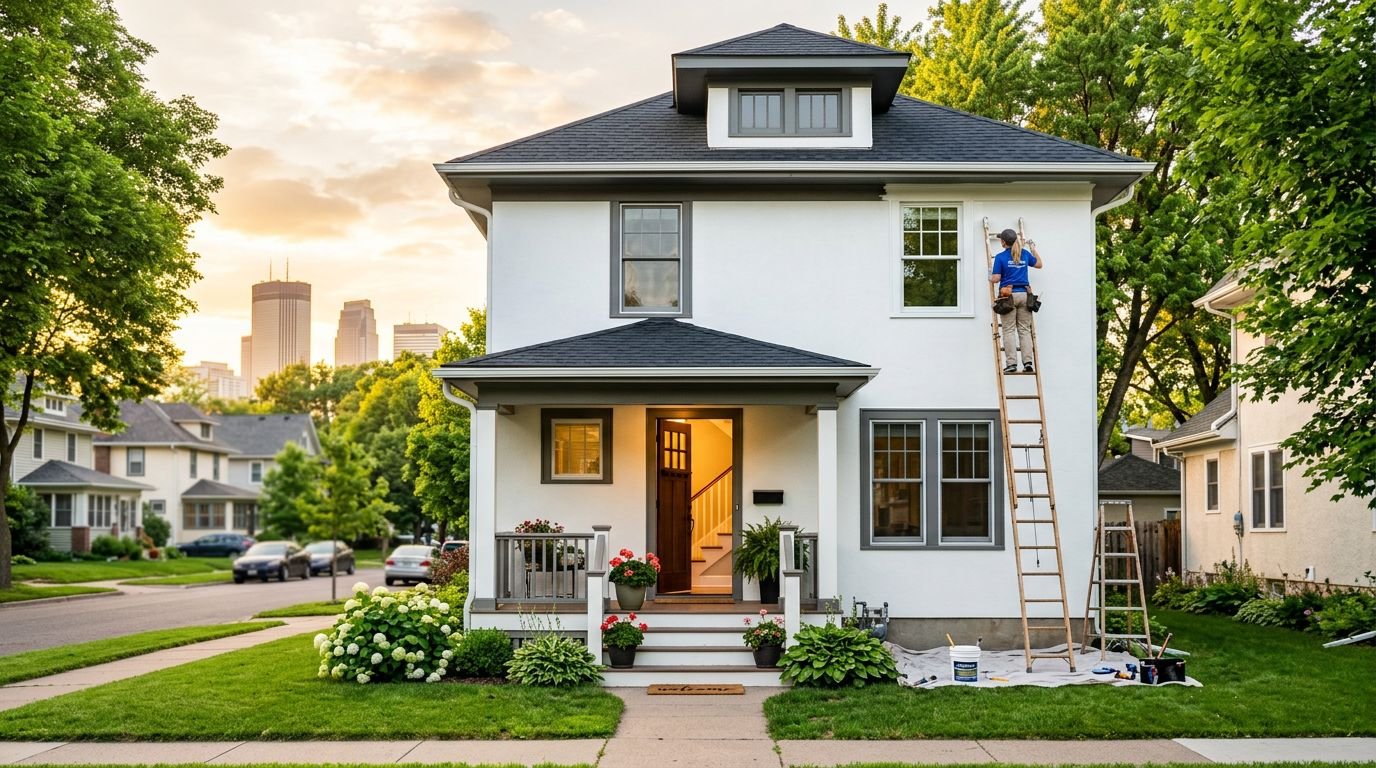
Selling soon? In Minneapolis, fresh paint can change a first showing fast. The typical house painting cost Minneapolis sellers face in 2026 lands between $5,000 and $11,000 for combined interior and exterior work, but the real number depends on prep, timing, and how much wear winter left behind.
Across Minneapolis, Edina, St. Louis Park, and nearby suburbs, paint helps listings look cleaner, brighter, and better kept. Many owners start with searches like “interior painters minneapolis” because paint is one of the few updates buyers notice in seconds. Here’s where the budget usually goes, and why professional work often pays for itself before the sign goes in the yard.
House Painting Cost Minneapolis: Typical 2026 Ranges Before You List
For most sellers, price is shaped by square footage, damage, and scope. Local 2026 estimates put interiors around $2,000 to $6,000 and exteriors around $3,000 to $5,000 for many homes, while full pre-sale projects often land between $5,000 and $11,000. Reported averages vary, which you can see in 2026 Minneapolis interior painting data and Minneapolis exterior painting cost data, because some quotes include heavy prep and others don’t.
For most Minneapolis sellers, the budget looks like this:
| Project | Typical 2026 range | Main cost drivers |
|---|---|---|
| Interior refresh | $2,000 to $6,000 | repairs, ceilings, trim |
| Exterior repaint | $3,000 to $5,000 | scraping, height, siding |
| Whole home before sale | $5,000 to $11,000 | scope, access, season |
| Prep-heavy add-on | 20% to 50% more | patching, priming, damage |
Paint itself can run about $20 to $80 per gallon, while labor often falls between $25 and $75 per hour. That’s why the lowest quote isn’t always the best value. Nationally, 2026 house painting cost trends show the same pattern, labor and materials cost more than they did a few years ago.
If your budget is tight, focus on the rooms buyers see first, then the entry, trim, and front-facing exterior. Those spots do the heavy lifting in photos and walk-throughs.
Why professional interior painters help your sale price
Before selling, interior paint isn’t about personal style. It’s about removing objections. Scuffed walls, patched-but-unpainted spots, stained ceilings, and dark accent colors can make buyers wonder what else was left undone.
Good interior house painters know which areas move the needle. Living rooms, kitchens, hallways, entryways, and the primary bedroom usually matter most. Light, buyer-friendly colors also photograph better. As a result, rooms feel larger, cleaner, and easier to imagine living in.
Before selling, paint is less about style and more about removing reasons for buyers to hesitate.
A pro crew also fixes the details DIY jobs miss. That includes nail pops, hairline cracks, uneven sheen, sloppy cut lines, and wall repairs that flash under bright listing photos. If the inside of your home needs the biggest lift, start with trusted Minneapolis interior painters.
When you compare a “Painting Service in Minneapolis” with a “Residential painting service in minneapolis,” ask what prep, cleanup, and warranty are included. Not all residential painting services handle patching, priming, and surface protection the same way. Workmanship matters because buyers notice finish quality up close, and sellers notice it when the job stays on schedule.
If you’re aiming for spring photos or a fast summer listing, request an estimate early so you can reserve a crew before calendars fill up.
Why exterior house painters matter more in Minnesota
Minneapolis house painting on the outside comes with a short season and hard weather. Cold winters, humidity, and freeze-thaw cycles wear down caulk, expose bare wood, and lift old paint. Because of that, exterior house painters spend more time on prep than many sellers expect.
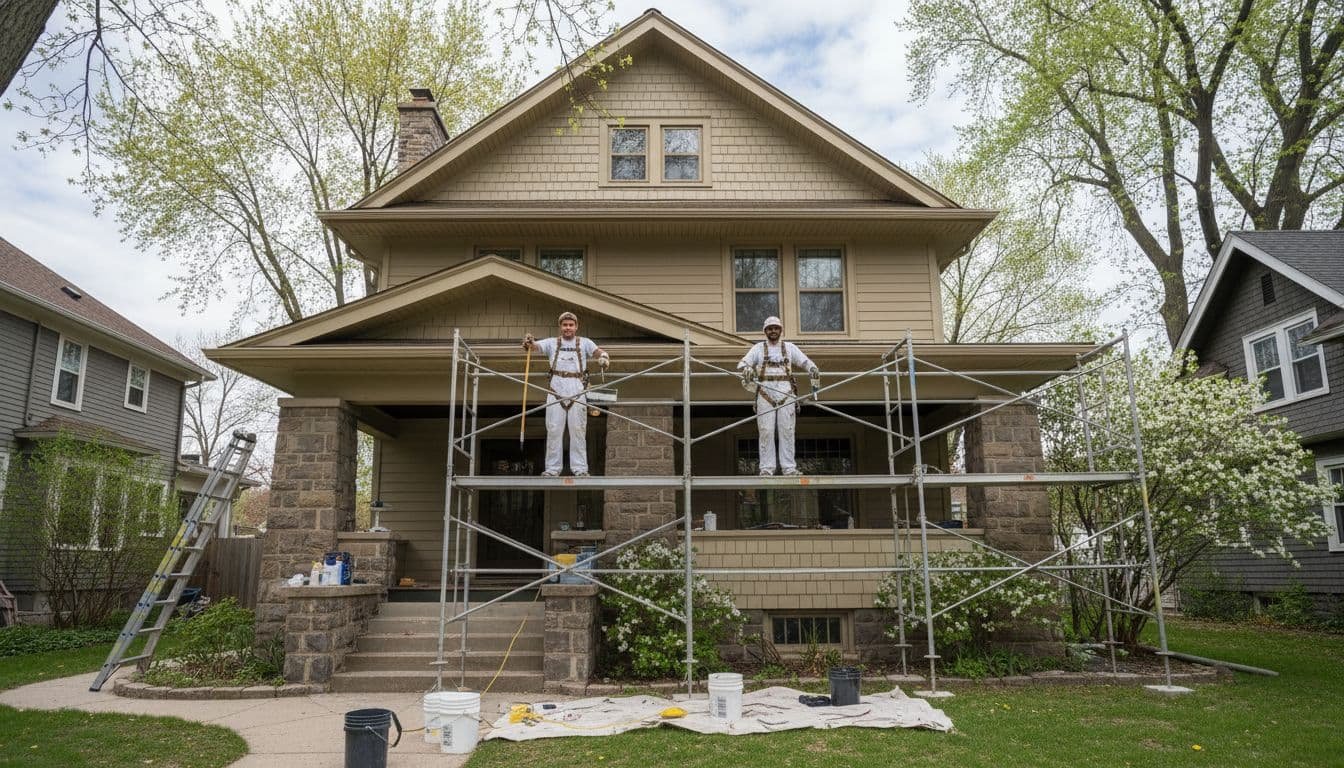
Humidity slows dry time, and spring rain can push schedules back. The best window is usually late spring through early fall, when surfaces stay dry and overnight temperatures are more stable. Even then, Twin Cities painters book up fast.
Professional exterior prep lasts longer, which still matters when you’re selling. Buyers notice flaking trim, chalky siding, and peeling porch rails right away. A pro team checks caulk lines, scrapes loose paint, seals bare spots, and applies the right products for Minnesota weather. That reduces the chance of a rushed, patchy finish that hurts curb appeal during the exact weeks you need it most.
FAQs
How much does it cost to paint a house before selling in Minneapolis?
Most sellers spend $5,000 to $11,000 for combined interior and exterior work. Smaller refresh jobs cost less, while prep-heavy homes can cost more.
Is interior or exterior painting more important before listing?
Interior usually helps photos and showings faster. Exterior matters most when peeling paint or weak curb appeal is hurting first impressions.
What’s the best season for exterior painting in Minneapolis?
Late spring through early fall is usually best. Dry weather and steady temperatures help paint cure the right way.
Does hiring a pro beat DIY before selling?
Usually, yes. Buyers spot uneven lines, missed repairs, and sloppy cleanup fast, especially in listing photos and open houses.
How far ahead should I book painters?
Book several weeks ahead, especially from May through August. That’s when the best crews in Minneapolis and nearby suburbs are busiest.
Fresh paint works like better lighting, it doesn’t change the house itself, but it makes every strong feature easier to see. For sellers, that’s the point. A pro paint job helps buyers focus on the home, not the flaws.
If you want a clear number for your home, request a professional estimate now, before the prime Minneapolis schedule fills up. A clean, well-prepped finish can help your listing hit the market with less stress and a stronger first impression.
FAQ Schema Markup
{“@context”:”https://schema.org”,”@type”:”FAQPage”,”mainEntity”:[{“@type”:”Question”,”name”:”How much does it cost to paint a house before selling in Minneapolis?”,”acceptedAnswer”:{“@type”:”Answer”,”text”:”Most sellers spend $5,000 to $11,000, depending on size, prep, and access.”}},{“@type”:”Question”,”name”:”Is interior or exterior painting more important before listing?”,”acceptedAnswer”:{“@type”:”Answer”,”text”:”Interior helps photos faster, while exterior matters most for curb appeal and peeling paint.”}},{“@type”:”Question”,”name”:”What’s the best season for exterior painting in Minneapolis?”,”acceptedAnswer”:{“@type”:”Answer”,”text”:”Late spring through early fall is usually best because surfaces stay drier and temperatures are steadier.”}},{“@type”:”Question”,”name”:”Does hiring a pro beat DIY before selling?”,”acceptedAnswer”:{“@type”:”Answer”,”text”:”Yes, professional prep and finish quality usually look better in photos, showings, and inspections.”}},{“@type”:”Question”,”name”:”How far ahead should I book painters?”,”acceptedAnswer”:{“@type”:”Answer”,”text”:”Book several weeks ahead, especially during the busy May through August season.”}}]}
Add LocalBusiness schema too, with service area, phone, hours, and review data for Minneapolis and nearby suburbs.