
Fresh paint changes a room fast, but knowing what a fair quote looks like is harder. If you’re comparing interior house painting cost in Hopkins for 2026, most estimates will rise or fall based on prep work, room size, trim detail, and paint quality.
That matters even more in Hopkins, Minneapolis, and nearby Twin Cities suburbs, because Minnesota homes deal with cold winters, humidity, and freeze-thaw movement. Those conditions often leave behind nail pops, trim gaps, and wall cracks that painters need to fix before the first coat goes on.
Interior house painting cost in Hopkins, what to expect in 2026
For most homes, interior painting prices in Hopkins will land in the same general range seen across Minneapolis. Still, online numbers only give you a starting point. A clean, empty bedroom is one thing. An occupied living room with patched drywall, high ceilings, and detailed trim is another.
Current local references, including Angi’s Minneapolis room-painting data and broader 2026 interior painting benchmarks, point to ranges like these:
| Project scope | Typical 2026 range | What affects the price | | | | | | One standard room | $300 to $1,000 | Wall condition, height, trim, doors | | Living room | $1,000 to $2,000 | Open layouts, windows, accent walls | | Many interior projects | $2 to $6 per square foot | Prep, number of coats, occupied space |
Those figures are useful for budgeting, but they aren’t flat rates. In Hopkins, older homes often need more patching and caulking. Newer homes can still cost more if they have vaulted ceilings, dark-to-light color changes, or lots of painted woodwork.
A fair estimate should also reflect what is actually getting painted. Some quotes cover walls only. Others include ceilings, closets, doors, baseboards, and window trim. That difference can change the final number fast.
What drives the price inside Twin Cities homes
The biggest price driver is usually prep work. Painters may need to fill dents, repair cracks, sand glossy walls, caulk trim gaps, and spot-prime stains. In older Hopkins homes, freeze-thaw cycles and winter dryness can leave behind hairline cracks that look small but take time to fix well.
Color change matters too. Going from deep red, navy, or gold to a light neutral often takes extra coats. The same goes for ceilings with smoke stains, water marks, or years of yellowing.
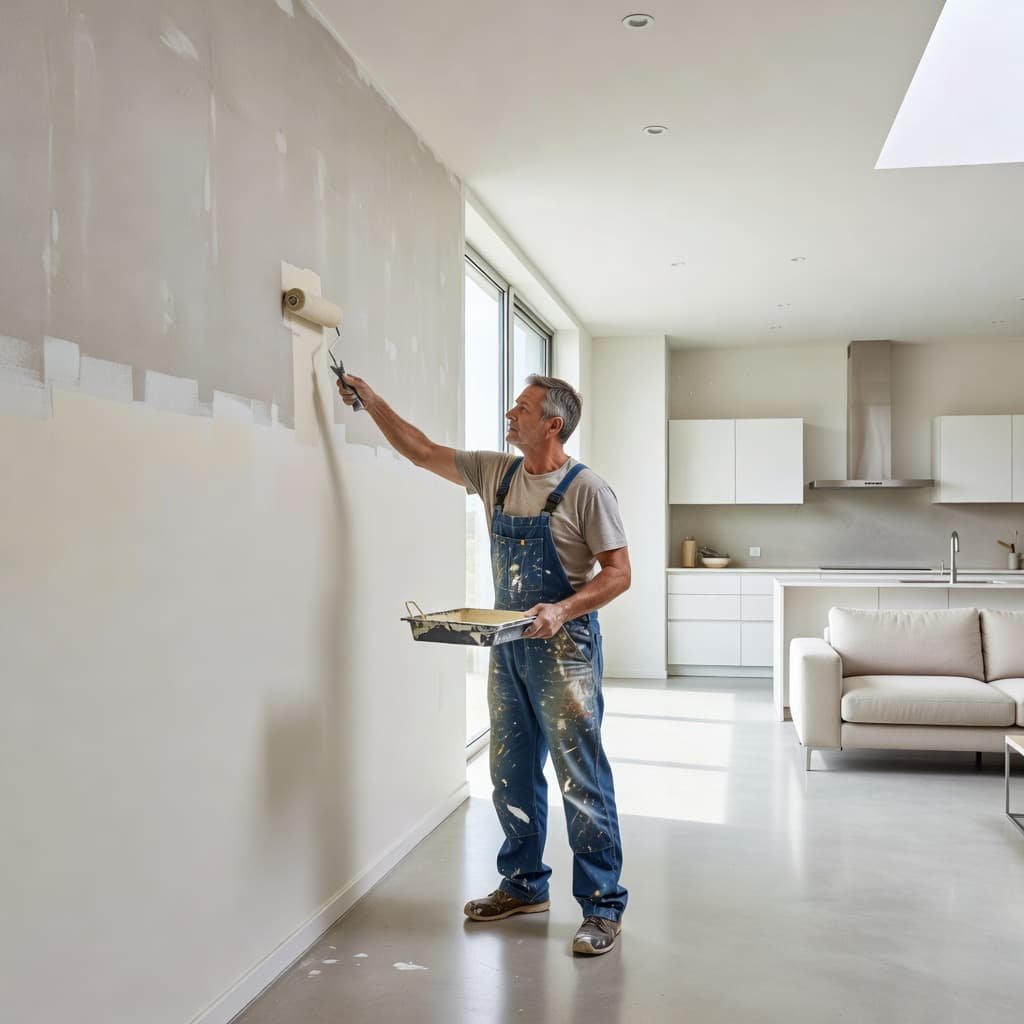
Labor also rises when a crew has to work around daily life. If the home is occupied, painters spend more time moving furniture, protecting floors, masking fixtures, and keeping the space usable. Empty homes are faster. Homes with kids, pets, and work-from-home schedules need more coordination.
Then there is scope. Walls are the easy part to picture, but trim, doors, ceilings, stairwells, and built-ins can add hours quickly. A two-story foyer or a staircase wall is often priced more like a specialty area than a standard room.
Paint quality plays a part as well. Better products cover better, clean better, and hold up longer. That doesn’t mean the most expensive paint is always the right choice. It does mean the cheapest gallon rarely gives the best long-term value.
Why hiring a professional painter often costs less over time
DIY looks cheaper at first because you see the labor savings right away. Then the hidden costs start stacking up, including rollers, brushes, tape, drop cloths, patching tools, primer, ladders, and your own time. If the finish comes out uneven, repainting later costs even more.
Professional painters reduce those risks because prep is part of the job, not an afterthought. They know how to keep cut lines straight, avoid lap marks, repair small wall flaws, and choose the right sheen for each room. That matters in busy homes where walls take daily wear.
A low quote can look great until wall repair, second coats, and trim prep show up as add-ons.
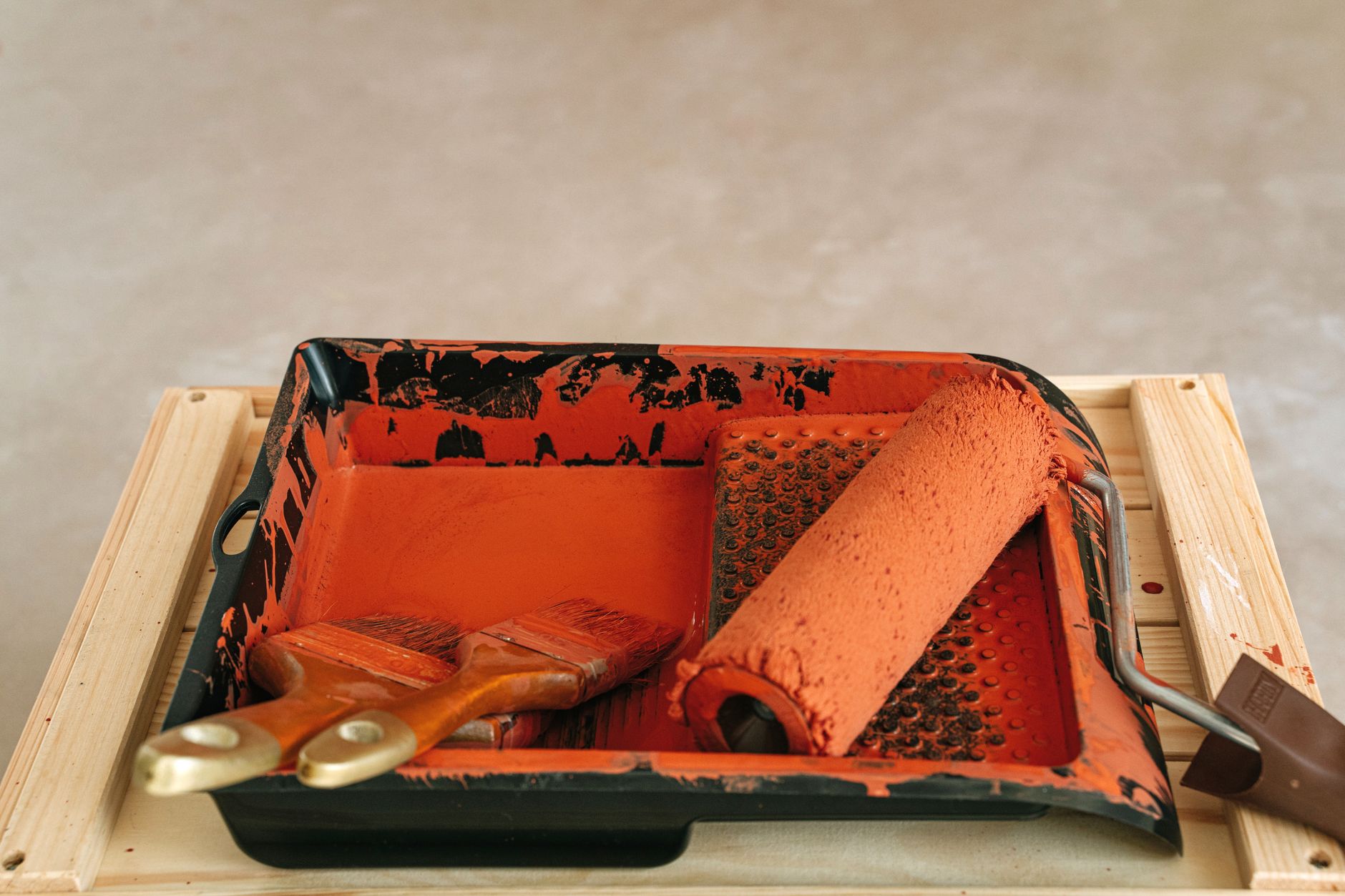
Photo by Ivan S
A professional job also lasts longer. Better prep, better coverage, and proper dry times help the finish stay clean and solid for years. That’s why many homeowners who compare DIY to a trusted crew decide the labor cost is worth it.
If you’re narrowing down numbers now, getting a detailed quote for Minneapolis interior painting services is a smart next step. A written estimate tells you far more than any online calculator.
Minnesota seasons still affect interior painting
Interior painting isn’t as weather-sensitive as exterior work, but Minnesota seasons still matter. Winter is often a good time to book indoor projects because exterior house painters slow down, and homeowners turn their focus inside. Schedules can fill quickly once cold weather settles in, so early planning helps.
Winter air is usually dry indoors because furnaces run often. That can help paint dry faster, but it can also reveal trim shrinkage, nail pops, and cracked caulk lines. A good painter will catch those issues during prep instead of painting over them.
Summer brings a different challenge. Humidity can slow dry and cure times, especially in bathrooms, kitchens, and lower levels. Good ventilation helps, but so does a crew that understands how products behave in Twin Cities conditions.
For homeowners in Hopkins and Minneapolis, timing can also affect value. If you’re hiring exterior house painters later in the year, it may make sense to schedule interior rooms during colder months and leave weather-driven work for a separate window. That way, each project fits the season instead of fighting it.
Why workmanship and warranty matter more than the lowest bid
When homeowners search for “interior painters Minneapolis” families trust, they usually want clean work and a clear scope. Price matters, but workmanship matters more. A painting service in Minneapolis that skips prep details may look affordable on paper and cost more later.
The best estimate is detailed. It tells you what surfaces are included, how much repair is built in, what paint line is being used, and whether the crew expects one coat or two. A residential painting service in Minneapolis should also explain cleanup, furniture moving, and touch-up policy in plain language.
Here are a few items every quote should spell out:
- The rooms and surfaces included, such as walls, ceilings, trim, doors, and closets.
- The amount of prep, including patching, sanding, caulking, and stain blocking.
- The paint brand, sheen, and expected number of coats.
- The timeline, crew size, and how the home will be protected during the job.
- Any workmanship warranty or return visit policy for touch-ups.
That last point matters more in 2026 because labor isn’t cheap, and repainting a problem area later is frustrating. A solid crew helps you avoid that. Most professional interior jobs wrap up in about 2 to 5 days, depending on repairs and room count, so the goal is to get it done right the first time.
For Hopkins homeowners, the sweet spot is a quote that balances price, prep, and accountability. Cheap bids can hide weak coverage. Strong bids show you exactly what you’re paying for.
Final thoughts
A realistic interior house painting cost in Hopkins comes down to one simple truth: prep drives price, and quality drives value. The homes that look best a few years later are usually the ones where the crew fixed the walls, protected the home, and didn’t rush the finish.
If you’re planning a 2026 repaint in Hopkins, Minneapolis, or a nearby suburb, request a written estimate now. A clear quote from a professional crew is the fastest way to compare cost, timeline, and long-term value without guessing.
FAQ Schema Markup
Adding FAQ schema alongside LocalBusiness schema can help search engines connect your pricing answers, service area, and estimate content.
{
  "@context": "https://schema.org",
  "@type": "FAQPage",
  "mainEntity": [
    {
      "@type": "Question",
      "name": "How much does interior house painting cost in Hopkins for 2026?",
      "acceptedAnswer": {
        "@type": "Answer",
        "text": "Many Hopkins and Minneapolis area interior painting projects fall around $2 to $6 per square foot, with single rooms often ranging from about $300 to $1,000. Final pricing depends on prep work, trim, ceilings, repairs, and how much of the home is being painted."
      }
    },
    {
      "@type": "Question",
      "name": "What affects interior painting prices the most?",
      "acceptedAnswer": {
        "@type": "Answer",
        "text": "Prep work usually affects price the most. Drywall repairs, caulking, sanding, stain blocking, color changes, high ceilings, and detailed trim can all raise labor time and material use."
      }
    },
    {
      "@type": "Question",
      "name": "When is the best time to schedule interior painting in Minnesota?",
      "acceptedAnswer": {
        "@type": "Answer",
        "text": "Interior painting can be done year-round, but winter is often a smart time to book because exterior schedules slow down. Summer humidity can affect dry times, while winter can reveal cracks and trim gaps that should be repaired before painting."
      }
    },
    {
      "@type": "Question",
      "name": "Is hiring a professional painter worth it?",
      "acceptedAnswer": {
        "@type": "Answer",
        "text": "Yes, especially when you want better prep, smoother coverage, cleaner lines, and a finish that lasts longer. Professional painters also help reduce mistakes, delays, and the cost of repainting problem areas later."
      }
    }
  ]
}