
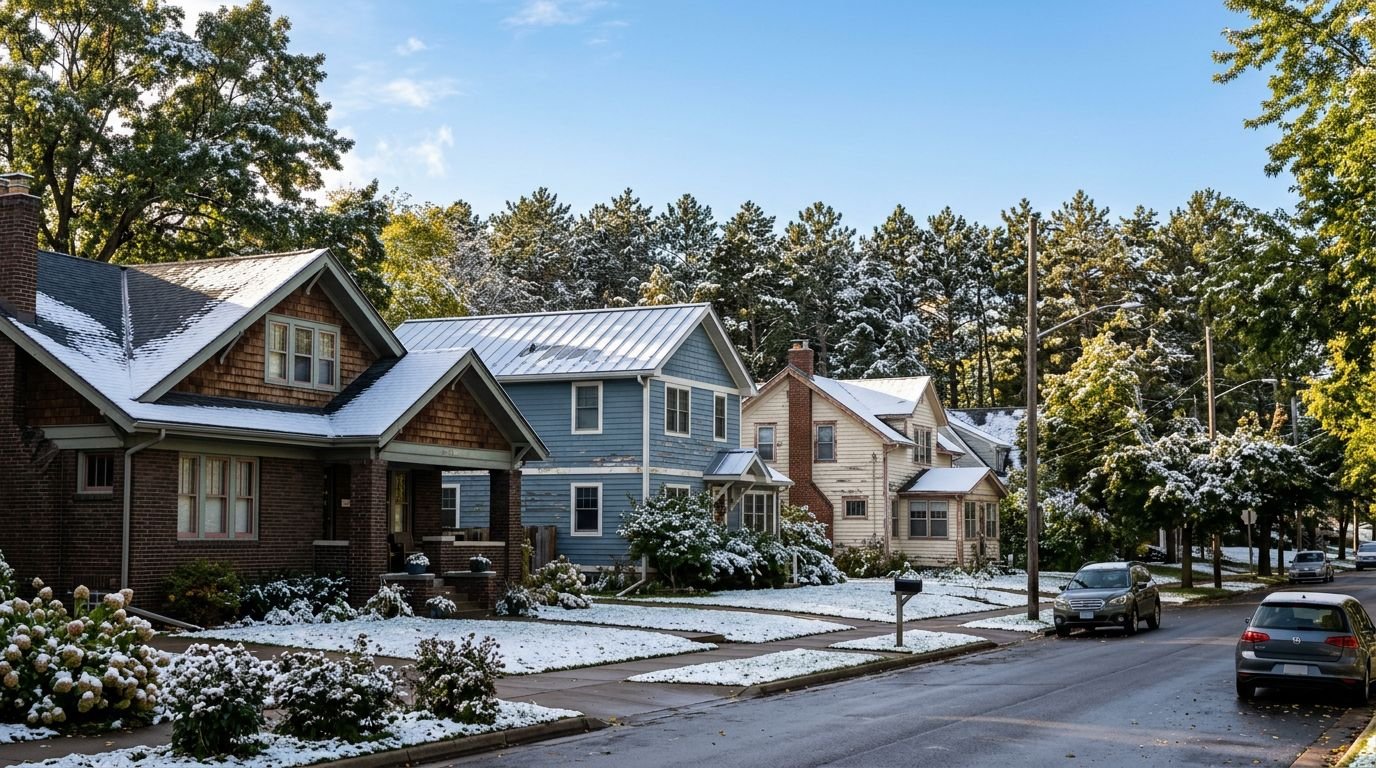
A fresh exterior can look solid for years, then seem to age all at once after one rough winter. In the Twin Cities, that shift happens faster than many homeowners expect.
Across Minneapolis, Saint Paul, Bloomington, Eden Prairie, Maple Grove, Plymouth, Minnetonka, and nearby suburbs, the exterior paint lifespan in Minnesota is shaped by cold snaps, wet springs, humid summers, and hard sun. If you want a realistic timeline, local conditions matter more than a paint label alone.
The honest lifespan for a Minnesota exterior
For many homes in the Twin Cities, exterior paint lasts about 5-7 years before it starts to show real wear. That is a practical average, not a promise. Some surfaces hold longer, while trim, fascia, and doors often fade or peel sooner.
Material matters a lot. So does exposure. A shaded fiber-cement wall in Plymouth may still look good after eight years, while south-facing wood trim in Minneapolis can look tired much earlier. Homes near busy roads or open wind exposure in Maple Grove and Eden Prairie also tend to wear faster.
This quick table gives a useful local baseline.
| Surface | Typical lifespan in Minnesota |
|---|---|
| Wood siding | 5-9 years |
| Fiber cement | 8-12 years |
| Painted vinyl | 6-10 years |
| Stucco | 6-10 years |
| Trim and fascia | 3-6 years |
| Front doors and high-touch areas | 3-6 years |
Those ranges match what many regional painters report in harsh Upper Midwest climates, including regional guidance for Minnesota homes and a local paint longevity guide.
The takeaway is simple. If your house is around year five and the finish looks dull, chalky, or cracked, it is time to inspect it closely. Waiting too long turns a repaint into a repair job, and repairs cost more.
Why Minnesota weather is so hard on paint
Minnesota weather rarely lets paint rest. Winter drives moisture into tiny gaps. Then freezing temperatures expand that trapped moisture and push the paint film away from the surface. Spring adds more water. Summer brings heat, humidity, and UV exposure. Fall can look calm, but cooler nights and dew slow curing.
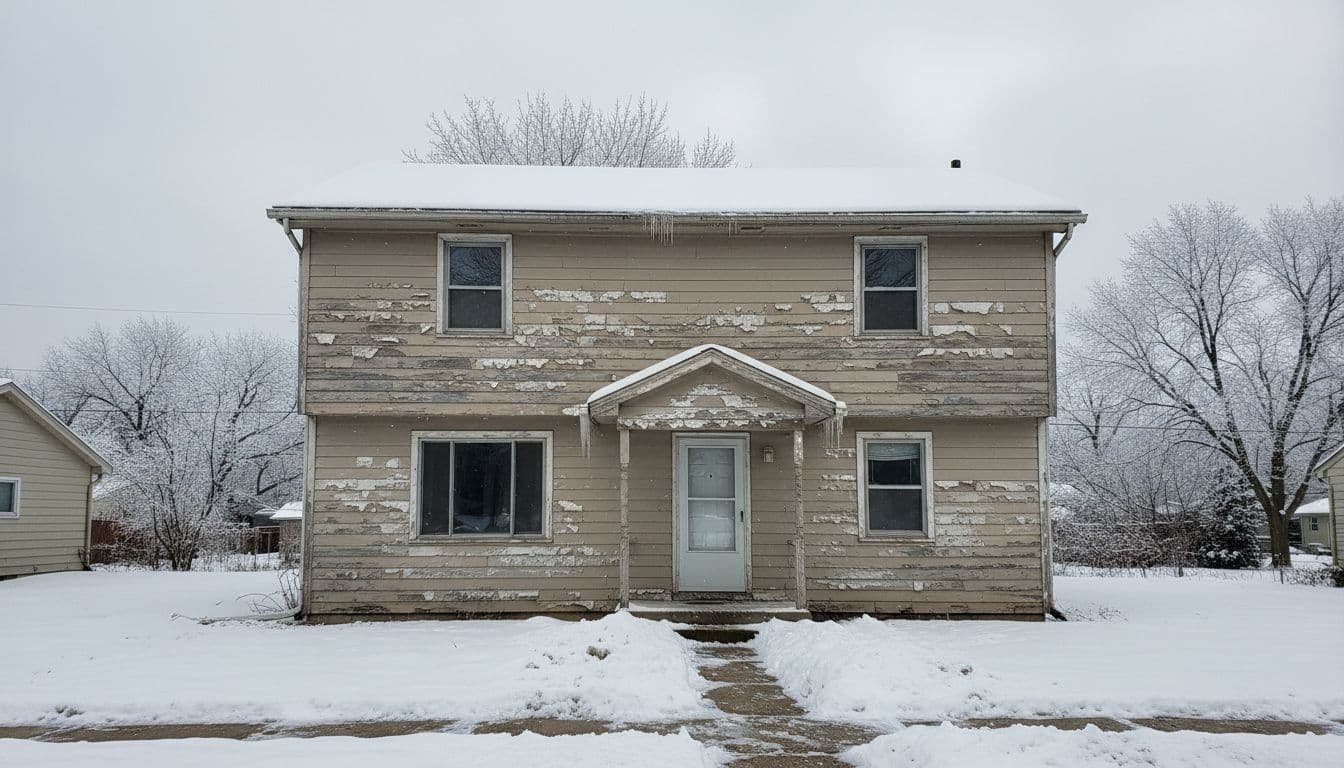
That cycle is why exterior paint in Minnesota often fails at joints, edges, nail heads, and trim corners first. Caulk cracks. Bare wood absorbs water. Sun bakes the most exposed walls. Snow piles near lower siding and trim keep moisture around longer than many homeowners realize.
In Minnesota, paint usually fails because of moisture first, then sun and temperature swings finish the job.
South-facing and west-facing walls take the most punishment. So do garage doors, porch railings, and window trim. If one side of your house looks worse than the rest, that is normal here. It does not always mean the whole house needs repainting right away, but it does mean the clock is moving.
A good Minnesota-specific paint wear overview points to the same pattern: freeze-thaw stress, humidity, snow, and UV exposure cut lifespan compared with milder climates. That is why national claims of 10-15 years often miss the mark for the Twin Cities.
Prep work and product choice decide how long it lasts
Paint is only as strong as the surface under it. If dirt, chalking, mildew, or loose paint stay in place, the new coat will fail early no matter how good the label sounds.
A solid crew starts with washing, scraping, sanding, spot priming, caulking, and minor repairs. On older Minneapolis and Saint Paul homes, that can also mean replacing small sections of rotted trim before paint goes on. Skipping those steps is the fastest way to lose years of life.
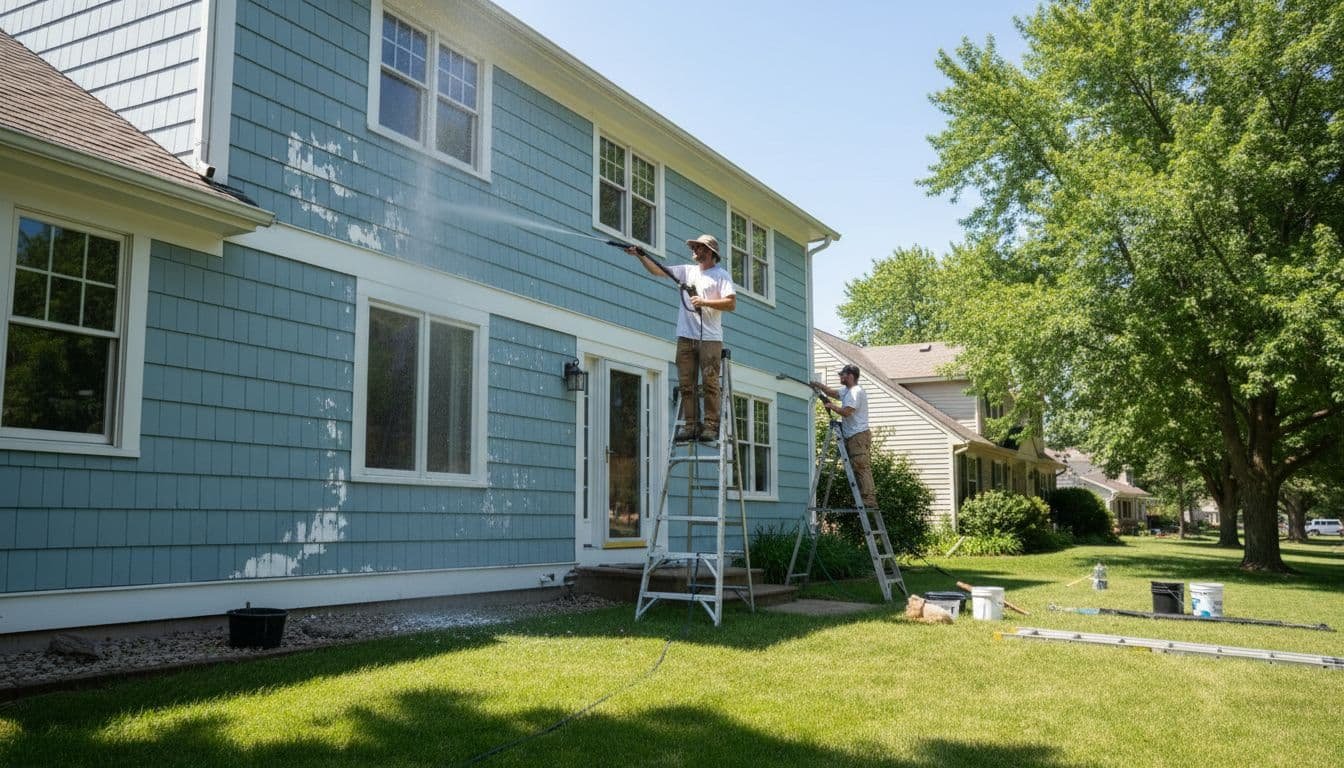
Product choice matters too. Different substrates need different coatings. Wood needs room to move and breathe. Previously painted aluminum and vinyl need strong adhesion. Bare spots need the right primer. Dark colors on full-sun walls often age faster because they absorb more heat.
If you are comparing a “Painting Service in Minneapolis”, ask how the crew handles prep, primer, caulk, and weather windows. If you have searched for a “Residential painting service in minneapolis”, pay close attention to those answers. The best estimate is not only about price. It should explain surface condition, product match, and expected longevity.
Warranty value depends on this work as well. Paint makers often limit coverage when failure traces back to moisture, poor prep, or bad application conditions. A long warranty sounds nice, but it is worth much less if the job underneath it was rushed.
Professional results usually outlast DIY work
DIY painting can work on small, simple projects. A detached shed or one clean side wall is one thing. A full exterior in Minnesota is different.
Most early DIY failures come from timing and prep. Homeowners paint too late in the season, coat over chalking, miss hidden rot, or apply paint when overnight temperatures drop too low. The finish may look fine for a few months, then peeling starts around trim boards and seams.
Professional workmanship gives you more than labor. It gives you consistency. Crews know how long washed surfaces need to dry. They track temperature swings, dew point, and sun exposure. They know when a wall is too hot to coat and when another pass of scraping will save the whole job.
That difference shows up in lifespan. Professionally completed exterior jobs usually last longer because the surface was repaired correctly, the product fit the substrate, and the application stayed within the manufacturer’s limits. Those details are easy to miss from the ground.
Many homeowners who start by searching “interior painters minneapolis” also want one company for the whole house. That makes sense, but exterior work is its own discipline. Ladder safety, weather timing, and substrate prep matter more outside than they do on most interior walls.
When Twin Cities homeowners should repaint
The best time to paint most Minnesota exteriors is late spring through early fall, when surfaces are dry and overnight temperatures stay within product limits. In the Twin Cities, the safest stretch is often from late May into September, though each year shifts a bit.
A quick walk-around every spring can save money. Look for:
- Peeling, blistering, or flaking paint
- Chalking that rubs off on your hand
- Cracked caulk around windows and trim
- Faded patches on south-facing walls
- Soft or swollen wood near joints and lower trim
If you see only minor wear, a targeted maintenance plan may buy you time. If peeling is widespread, or bare wood is showing in several areas, the house is ready for more than touch-ups.
Seasonal care helps paint last longer, too. Clear gutters, trim back shrubs, and keep sprinkler spray off siding. Simple upkeep slows the moisture cycle that shortens paint life. You can also review seasonal exterior maintenance advice for ideas that fit our climate.
Conclusion
On Minnesota homes, exterior paint lasts less time than many national articles suggest. For most Twin Cities properties, 5-7 years is a realistic average, with longer life possible when the surface is stable and the prep is done right.
The biggest factor is not the can alone. Good washing, repairs, primer, caulk, product choice, and careful workmanship are what stretch a paint job through more winters. If your siding is starting to chalk, crack, or peel, checking it before the next freeze is the smart move.
FAQ
How long should exterior paint last on a Minneapolis house?
For many Minneapolis homes, expect about 5-7 years on exposed siding. Some materials, such as fiber cement, can last longer with strong prep and quality paint. Trim and doors usually wear out faster.
What parts of a house usually need repainting first?
Trim, fascia, garage doors, railings, and south-facing walls often show age first. These areas get more sun, more moisture stress, or more physical wear.
What is the best season for exterior painting in Minnesota?
Late spring through early fall is usually best. Dry weather, mild daytime temperatures, and safe overnight lows give paint a better chance to cure well and last.
If this article sits on a service page, adding LocalBusiness schema alongside FAQ markup can help search engines connect the content to Minneapolis, Saint Paul, and nearby suburbs.
FAQ schema markup
{ “@context”: “https://schema.org“, “@type”: “FAQPage”, “mainEntity”: [ { “@type”: “Question”, “name”: “How long should exterior paint last on a Minneapolis house?”, “acceptedAnswer”: { “@type”: “Answer”, “text”: “For many Minneapolis homes, exterior paint lasts about 5-7 years on exposed siding. Some materials, such as fiber cement, can last longer with strong prep and quality paint, while trim and doors usually wear out faster.” } }, { “@type”: “Question”, “name”: “What parts of a house usually need repainting first?”, “acceptedAnswer”: { “@type”: “Answer”, “text”: “Trim, fascia, garage doors, railings, and south-facing walls often show wear first because they get more sun, more moisture stress, or more physical use.” } }, { “@type”: “Question”, “name”: “What is the best season for exterior painting in Minnesota?”, “acceptedAnswer”: { “@type”: “Answer”, “text”: “Late spring through early fall is usually best for exterior painting in Minnesota because dry weather, mild daytime temperatures, and safe overnight lows help paint cure well and last longer.” } } ] }