
For homeowners in the Twin Cities, finding the best time to paint exterior surfaces is a window that is often shorter than expected. A warm afternoon alone does not guarantee that your paint will properly cure, hold its color, or survive the upcoming freeze-thaw cycle.
The house painting season in Minnesota is defined by the regional climate, requiring steady temperatures, dry surfaces, and enough daylight to let each coat set correctly. If you want a finish that lasts for years, your timing matters just as much as the quality of your prep work.
Key Takeaways
- Ideal Window: The best time for exterior painting in the Twin Cities is between late May and September, with September often serving as the optimal month due to milder temperatures and lower humidity.
- Weather Over Calendar: Success depends more on stable daily temperatures (ideally 50 to 85 degrees) and dry conditions than specific calendar dates, as sudden drops in nighttime temperatures can hinder paint curing.
- Surface Preparation is Vital: A lasting finish requires thorough prep work, including washing, scraping, and proper caulking, which professional crews manage alongside shifting weather patterns to ensure long-term adhesion.
- Strategic Scheduling: Because Minneapolis weather can be unpredictable, homeowners often schedule exterior work for stable summer and early fall months while reserving interior projects for the colder, wetter off-season.
The best time to paint exterior surfaces in Minneapolis
For most homes in Minneapolis and the Twin Cities suburbs, the safest exterior painting window runs from late May through September. During this time, the air temperature and surface temperature are usually steady enough for paint to bond correctly and cure for long-lasting protection.
September and early fall are often the sweet spots for residential projects. Days are milder, humidity tends to ease, and the sun is less intense than in mid-summer. While late spring can also work well, homeowners should proceed with caution to ensure the siding has fully dried from spring rains and cool nights.
Early April and late October represent the risky edges of the season. Some modern acrylic paints can handle cooler weather, but the product label does not tell the whole story. Minnesota nights still drop in temperature quite rapidly, which can slow curing or weaken adhesion.
This quick chart helps set expectations for ideal painting conditions:
| Season | How it usually performs | Main concern | | | | | | Late April to mid-May | Possible on select weeks | Cold nights, wet siding | | Late May to June | Strong window | Rain delays, spring moisture | | July to August | Good with planning | Humidity, hot sun, pop-up storms | | September to early October | Often the best stretch | Shorter days, cool nights |
For Twin Cities exterior painting, the calendar is only the starting point. A reliable Painting Service in Minneapolis monitors the weekly weather forecast closely, rather than relying solely on the time of year to schedule your project.
Weather matters more than the month
Exterior paint cares about the full weather pattern, not just the temperature at noon. In Minneapolis, a good target is a temperature range of about 50 to 85 degrees, with enough stable weather before and after the job for washing, prep, caulk, primer, and finish coats.
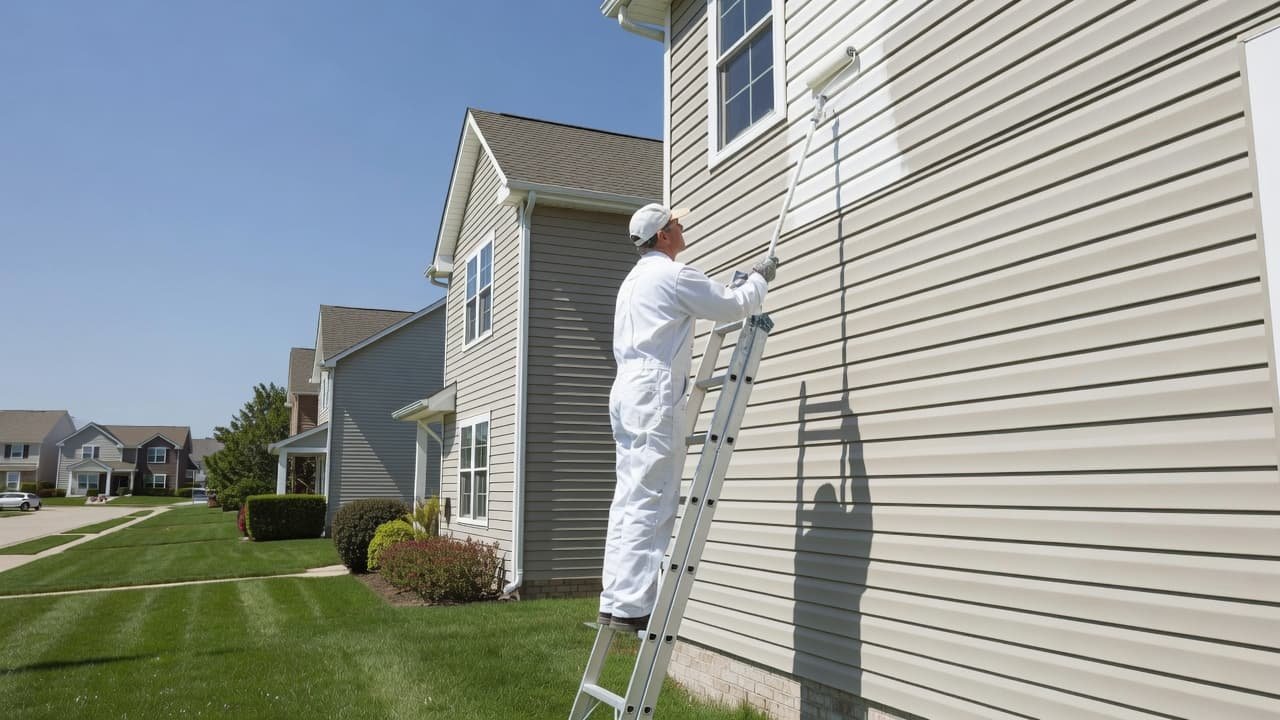
South- and west-facing walls can heat up fast in direct sunlight, even on a mild day, which can cause the paint to dry too quickly and affect adhesion. At the same time, shaded sides may stay damp longer after morning dew. That is why experienced exterior house painters Minneapolis homeowners trust move around the house with the weather instead of painting every wall the same way.
Humidity levels also change the outcome. When the air stays heavy, paint and caulk cure more slowly, whereas low humidity allows for better curing. Moisture matters twice, because it delays prep work and it can ruin fresh coatings before they harden. A useful benchmark comes from outdoor painting temperature guidance, which notes that many pros avoid painting below 50 degrees and often work in the late morning to mid-afternoon.
If the night forecast is close to the paint’s minimum cure temperature, it is smart to wait.
Freeze-thaw cycles are the other Minneapolis factor many homeowners underestimate. If paint goes on during a marginal weather window, winter can expose every weak spot. Peeling trim, cracked caulk lines, and early failure often start with bad timing. For homes with wood siding or stain-grade areas, this Minnesota guide on exterior finishes shows how climate exposure affects durability.
Why professional exterior painters get better results in Minnesota
A rushed DIY job can look fine for a few weeks. Then summer storms, trapped moisture, or the first hard winter start to tell the truth. That is why timing and prep go together.
Professional painters do not simply wait for a sunny day. They check siding condition, scrape loose paint, wash off chalking, spot prime bare areas, and allow caulk to cure before topcoats go on. On older Minneapolis homes, they also know how to work around deep trim profiles, weathered wood, and surfaces that hold moisture longer than expected, often utilizing high-quality acrylic latex paint to ensure long-term durability. By focusing on surface preparation, they ensure optimal paint adhesion, which prevents premature peeling or bubbling when the harsh Minnesota climate returns.

Photo by Sergei Starostin
This is where professional value shows up. Ladder work is safer, prep is more complete, and the schedule adapts when the weather shifts. Most importantly, the finish usually lasts longer because it was applied in a true paint window, not squeezed into a weekend.
Homeowners comparing residential painting services Minneapolis companies should ask about more than color and price. Ask how the crew handles rain delays, overnight lows, sun exposure, and surface prep for your exterior house painting. A strong residential painting service in Minneapolis should also give you a clear scope of work and explain any workmanship warranty in plain language.
If you are debating whether your exterior painting project is ready to begin this week, a local estimate can tell you whether your siding is ready now or better scheduled a few weeks out.
Why many homeowners pair exterior planning with interior painting
Minnesota weather creates a second smart option for homeowners looking to maintain their property. When the outdoor season is too cold, too wet, or simply unavailable, many homeowners shift their focus to interior work and reserve the exterior for a more stable window of time.
That is one reason searches for interior painters Minneapolis rise significantly during late fall and winter. Indoor projects are much easier to control, and they allow you to keep momentum on home updates while your exterior surfaces wait for ideal conditions. If you are planning both types of improvements, this is an excellent time to talk with trusted interior painting contractors in Minneapolis.
A professional crew will always tell you when it is best to avoid painting outside. That honesty matters for the longevity of your home. Instead of forcing an exterior job in borderline weather, they may recommend tackling interior rooms now while booking the outside of your home for late spring or early fall.
This approach also speaks to the durability of your project. A professional paint job lasts longer when the crew respects specific curing conditions, follows rigorous prep steps, and does not feel the need to rush because the calendar is crowded. Many exterior projects take about 3 to 7 days to complete, depending on the size of the home, necessary repairs, and the local weather. Because interior jobs are often quicker to complete, they serve as a practical off-season choice for homeowners who want to maintain progress on their home improvements regardless of the season.
Final thoughts
Minneapolis puts exterior paint to the test. Harsh winters, humid summers, frequent rain, and extreme freeze-thaw cycles all raise the stakes for your home. By identifying the best time to paint exterior surfaces during our brief seasonal windows, you can ensure your property remains protected and vibrant.
Long-lasting results usually come from careful planning, thorough surface preparation, and a professional crew that understands local weather patterns. When you choose the right timeframe for your project, you provide your home with the stability it needs to survive our climate, allowing the paint to complete its curing process effectively.
FAQs
What month is usually best for exterior painting in Minneapolis?
September is often the best month. Late May through June is also strong, as long as rain and cool nights do not slow the curing process of your high-quality latex paint.
Can you paint a house exterior when nights drop into the 40s?
Sometimes, but it depends on the product specifications and the overnight forecast. Most manufacturers specify a minimum outside temperature for their acrylic latex paint to bond correctly, so many homeowners get better results by waiting for steadier nighttime temperatures.
Is summer too hot for exterior painting?
Not always. The summer months of July and August can work well, but professional crews must carefully manage direct sun, high humidity, and the rapid drying times associated with hot surfaces.
Should I paint if rain is in the forecast?
It is better to wait. Siding, caulk, and fresh paint all need a dry window to cure correctly, and working in rainy conditions can lead to adhesion failure or streaking.
How long does an exterior house painting project take?
Many residential projects take 3 to 7 days. Prep needs, total house size, and weather delays all affect the final schedule.
When should I schedule interior painting instead?
Winter, early spring, and late fall are great times for interiors. That is often when homeowners book a residential painting service in Minneapolis while waiting for better exterior weather conditions.
FAQ schema markup
{ “@context”:”https://schema.org“, “@type”:”FAQPage”, “mainEntity”:[ {“@type”:”Question”,”name”:”What month is usually best for exterior painting in Minneapolis?”,”acceptedAnswer”:{“@type”:”Answer”,”text”:”September is often the best month, while late May through June is also a strong window when rain and cool nights cooperate.”}}, {“@type”:”Question”,”name”:”Can you paint a house exterior when nights drop into the 40s?”,”acceptedAnswer”:{“@type”:”Answer”,”text”:”Sometimes, but the product and overnight forecast matter. Many homeowners get better results by waiting for steadier nighttime temperatures.”}}, {“@type”:”Question”,”name”:”Is summer too hot for exterior painting?”,”acceptedAnswer”:{“@type”:”Answer”,”text”:”Not always. July and August can work well, but crews need to manage direct sun, humidity, and fast-drying surfaces.”}}, {“@type”:”Question”,”name”:”Should I paint if rain is in the forecast?”,”acceptedAnswer”:{“@type”:”Answer”,”text”:”Waiting is safer because siding, caulk, and fresh paint all need a dry window to cure correctly.”}}, {“@type”:”Question”,”name”:”How long does an exterior house painting project take?”,”acceptedAnswer”:{“@type”:”Answer”,”text”:”Many residential projects take 3 to 7 days, depending on prep, house size, and weather.”}}, {“@type”:”Question”,”name”:”When should I schedule interior painting instead?”,”acceptedAnswer”:{“@type”:”Answer”,”text”:”Winter, early spring, and late fall are ideal times for interiors while you wait for a better exterior painting window.”}} ] }
LocalBusiness schema enhancement
For stronger local signals, add service-area details for Minneapolis and nearby suburbs, business hours, phone number, review data, and service pages for exterior and interior house painting.
If your siding is peeling, fading, or chalking, now is the right time to request an estimate. A licensed, insured local crew can inspect the exterior, confirm the right weather window, and help you schedule interior or exterior work before the best dates fill up.