
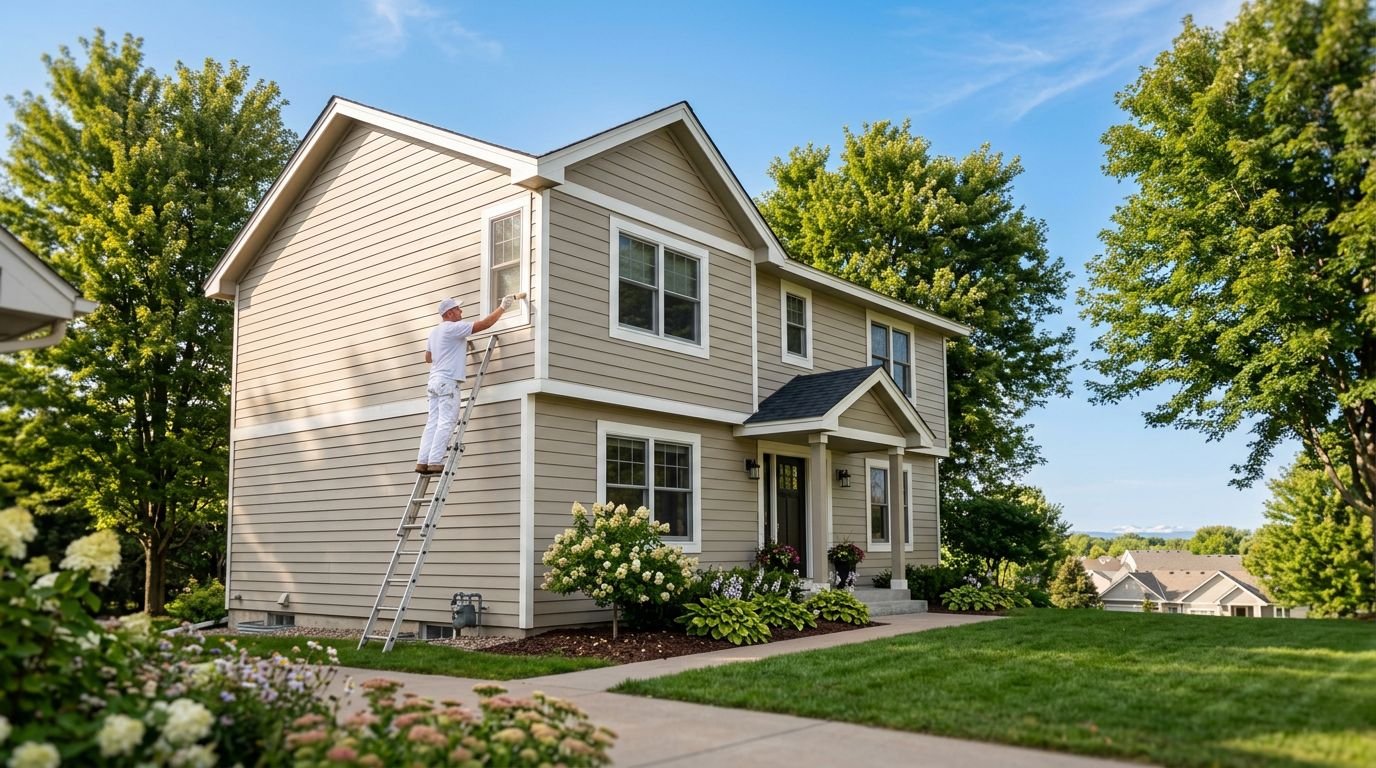
In Rosemount, exterior house painting cost in 2026 usually lands between $1,500 and $4,000 for many homes, with larger two-story houses often reaching $3,000 to $5,000. The final number depends less on color and more on prep, siding type, and how hard Minnesota weather has been on the surface.
That matters here because cold winters, humid summers, and freeze-thaw cycles are rough on caulk, trim, and older paint. If you’re comparing the Rosemount exterior painting cost this year, the estimate only makes sense when you know what is included.
Rosemount Exterior Painting Cost in 2026
A fair estimate starts with the size and shape of the home. A small rambler with solid siding needs less labor than a taller home with trim, gables, and repair work.
For a broader Minnesota benchmark, this cost breakdown for homeowners lines up with the local range and shows how prep changes the total.
| Home type | Typical 2026 range | What usually pushes it higher |
|---|---|---|
| Small rambler or simple one-story home | $1,500 to $3,000 | peeling paint, extra trim, hard-to-reach spots |
| Average single-family home | $2,400 to $4,000 | scraping, caulking, color changes, minor repairs |
| Many two-story homes | $3,000 to $5,000 | ladder work, more trim, weather delays |
Many bids also work out to about $1.50 to $4.00 per square foot. That range is useful, but it doesn’t replace a real inspection. Surface condition can change the price fast.
The lowest bid is often the one that skips prep.
Why exterior painting quotes rise or fall
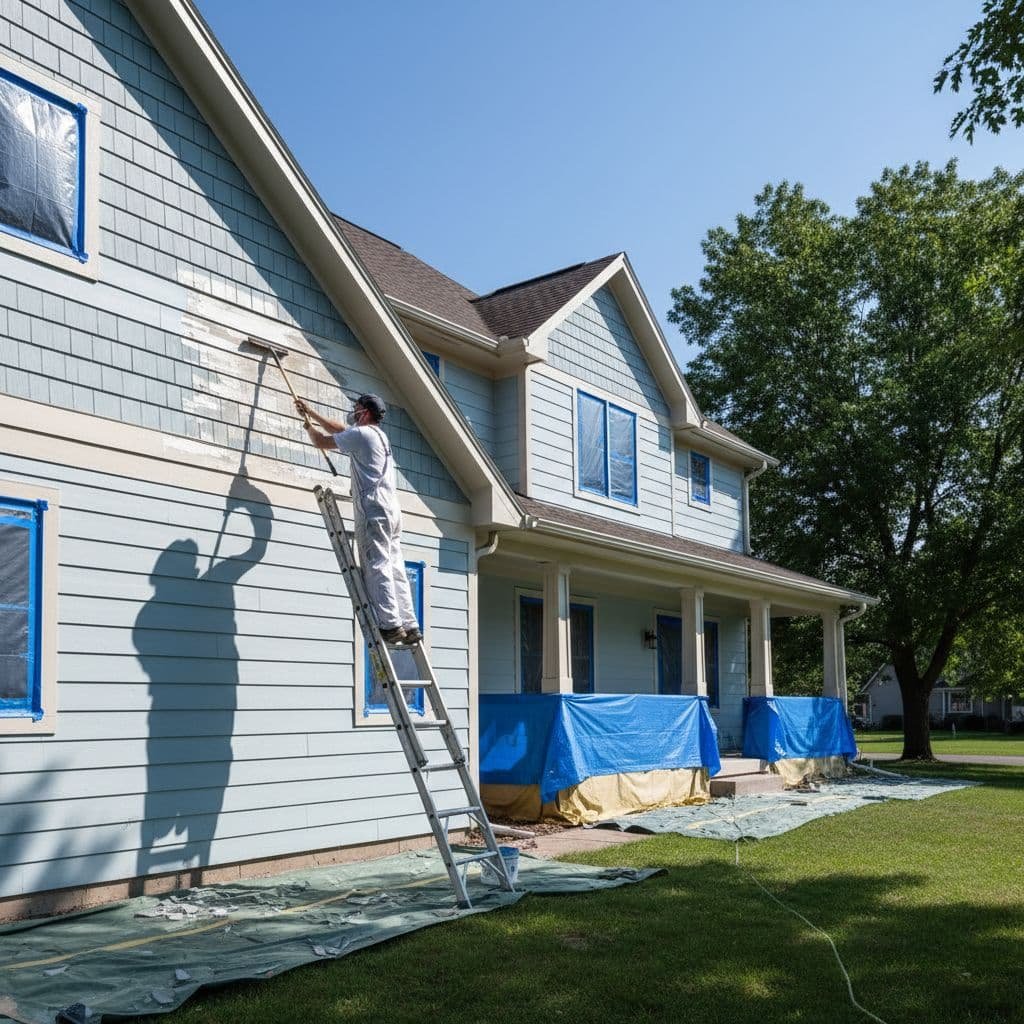
The biggest cost driver is usually prep. If the old finish is sound, the job moves faster. If paint is peeling, caulk is split, or boards need repairs, the crew has more work before the first finish coat goes on.
A professional team will also price the job around the siding and trim. Wood siding takes more care than many other materials. Fiber cement, aluminum, and mixed trim packages each bring their own labor needs. If you want a local reference point, Minneapolis exterior paint cost details shows the same pattern, prep and materials matter more than the color itself.
Here are the main cost factors homeowners should watch:
- Prep work: Power washing, scraping, sanding, caulking, and spot priming take time.
- Repairs: Rotten boards, failed caulk, and loose trim should be fixed before paint goes on.
- Height and access: Steeper rooflines, dormers, and second stories slow the crew down.
- Paint quality: Better exterior coatings cost more, but they usually hold up longer.
- Color changes: A drastic color shift may need more coverage or extra coats.
A good estimate should spell those items out. A Painting Service in Minneapolis should not hand you a vague lump sum and call it done. A residential painting service in Minneapolis should also explain whether minor repairs, caulking, and primer are built into the price.
Minnesota weather changes the painting schedule
Exterior paint needs dry surfaces and steady temperatures. In Rosemount, that usually means late spring through early fall, when nights stay warmer and rain is easier to plan around.
Humidity slows drying. Cold nights can make fresh coating less reliable. Freeze-thaw cycles also push moisture into tiny cracks, then widen them later. That is why timing matters as much as color choice.
Homeowners often ask why one bid is higher when the weather is the same. The answer is usually in the prep plan and the materials. A crew that knows local conditions will watch surface temperature, dew point, and rain windows before it starts. That’s one reason a local guide like this Minneapolis painting cost resource is helpful, it ties price to weather and prep, not just labor hours.
A few local timing tips help:
- Paint before nights turn cold.
- Let washed siding dry fully.
- Expect more delays after heavy rain.
- Give south and west walls extra attention, since they take more sun.
If your home has been sitting under winter stress for a few seasons, paint may fail at the seams first. Caulk lines and trim joints usually show it before the siding does.
Why professional prep pays off
DIY exterior painting can look cheaper on paper. In practice, the savings often disappear into equipment rental, extra time, and missed prep steps.
A professional crew brings ladders, pressure washing, safety gear, patching tools, and a process. More important, it knows how to spot problem areas before they turn into peeling paint. That matters on Minnesota homes, where one weak spot can spread fast.
Professional work also lasts longer when the prep is right. Better surface cleaning, primer where needed, and full coverage help the coating stand up to weather. The result is a cleaner finish and fewer touchups later.
If you’re comparing estimates, ask for these details in writing:
- what prep is included
- whether repairs are separate
- how many finish coats are planned
- which paint brand and product line will be used
- what the warranty covers
A contractor with clear service pages, contact details, and LocalBusiness schema on the website is often easier to trust because the basics are easy to verify. If the same company also has interior painters Minneapolis crews, that can help when you plan indoor work later in the year.
How to read an estimate without guessing
A good estimate should help you compare apples to apples. The price matters, but the scope matters more.
A solid quote usually answers three simple questions. What gets prepped, what gets painted, and what happens if something fails early?
That is where a residential painting service in Minneapolis should stand out. If the estimate is clear, you can tell whether one company is using better materials, more prep, or a stronger warranty. A soft bid with no details usually creates hard surprises later.
Conclusion
Exterior paint in Rosemount is a weather job as much as a color job. The best estimate is the one that explains prep, timing, materials, and warranty in plain language.
If your home is due for repainting, request a written estimate and compare the details side by side. The lowest price only matters when you know what it leaves out.
FAQs About Rosemount Exterior Painting Cost
How much does exterior house painting cost in Rosemount in 2026?
Most homes fall between $1,500 and $4,000, with many two-story homes landing between $3,000 and $5,000.
What changes the price most?
Prep work, siding type, height, repairs, and paint quality drive the quote more than color choice.
When is the best time to paint in Minnesota?
Late spring through early fall usually works best, as long as surfaces are dry and nights stay warm enough.
How long should exterior paint last here?
Many Twin Cities homes need repainting every 7 to 9 years, but sun, moisture, and surface wear can shorten that.
Is DIY exterior painting worth it?
It can save labor, but the risk is higher on prep, safety, and finish quality. A pro usually delivers better durability and a clearer warranty.
What should a good estimate include?
Washing, scraping, caulking, primer where needed, two finish coats, cleanup, and warranty terms.
{ “@context”: “https://schema.org“, “@type”: “FAQPage”, “mainEntity”: [ { “@type”: “Question”, “name”: “How much does exterior house painting cost in Rosemount in 2026?”, “acceptedAnswer”: { “@type”: “Answer”, “text”: “Most homes fall between $1,500 and $4,000, with many two-story homes landing between $3,000 and $5,000.” } }, { “@type”: “Question”, “name”: “What changes the price most?”, “acceptedAnswer”: { “@type”: “Answer”, “text”: “Prep work, siding type, height, repairs, and paint quality drive the quote more than color choice.” } }, { “@type”: “Question”, “name”: “When is the best time to paint in Minnesota?”, “acceptedAnswer”: { “@type”: “Answer”, “text”: “Late spring through early fall usually works best, as long as surfaces are dry and nights stay warm enough.” } }, { “@type”: “Question”, “name”: “How long should exterior paint last here?”, “acceptedAnswer”: { “@type”: “Answer”, “text”: “Many Twin Cities homes need repainting every 7 to 9 years, but sun, moisture, and surface wear can shorten that.” } }, { “@type”: “Question”, “name”: “Is DIY exterior painting worth it?”, “acceptedAnswer”: { “@type”: “Answer”, “text”: “It can save labor, but the risk is higher on prep, safety, and finish quality. A pro usually delivers better durability and a clearer warranty.” } }, { “@type”: “Question”, “name”: “What should a good estimate include?”, “acceptedAnswer”: { “@type”: “Answer”, “text”: “Washing, scraping, caulking, primer where needed, two finish coats, cleanup, and warranty terms.” } } ] }