
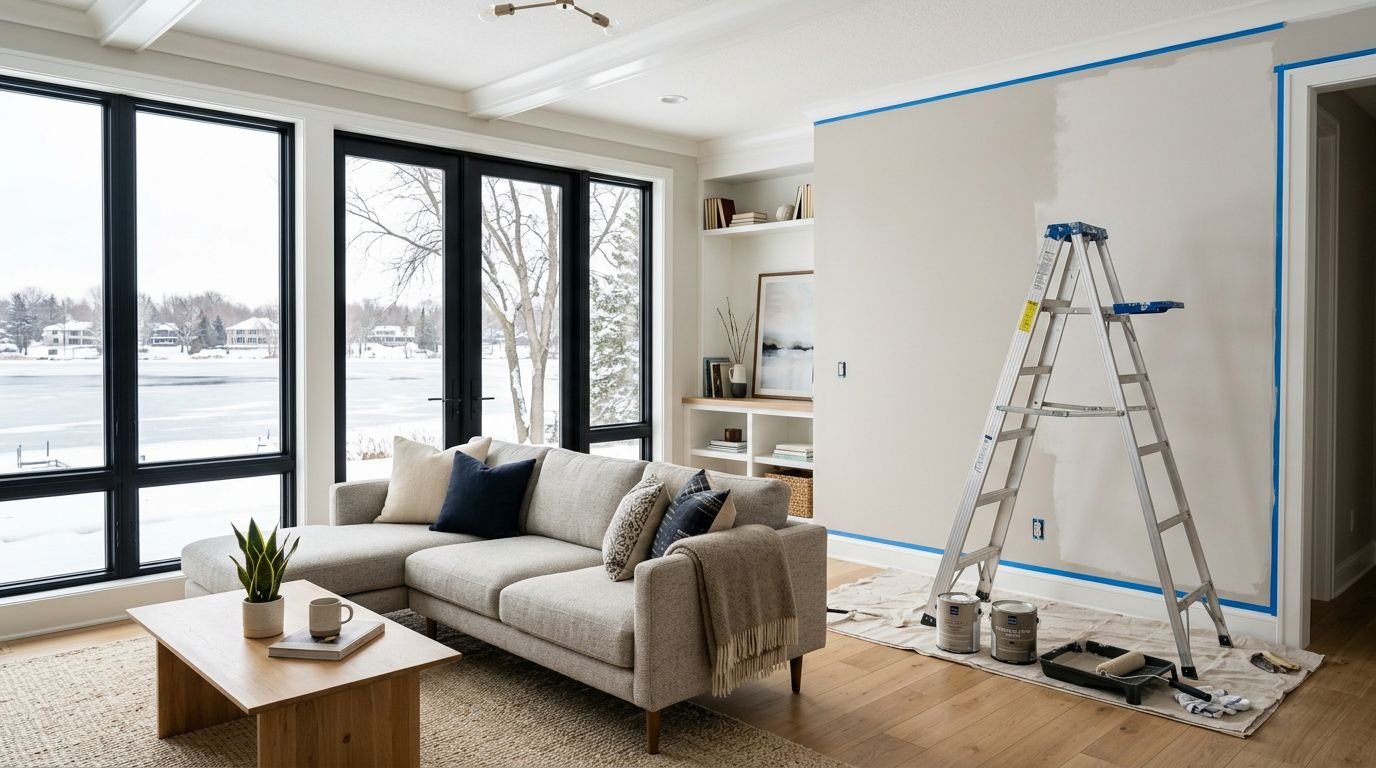
Sticker shock is common with interior painting in White Bear Lake in 2026. Two quotes can look miles apart, even when the rooms seem similar.
That’s because the real cost is not only the paint. Prep work, wall repairs, trim, ceiling height, and Minnesota’s cold winters all change the number. If you want a fair estimate this year, it helps to know where local pricing starts and why some bids climb fast.
What interior painting costs around White Bear Lake in 2026
Across Minnesota, interior painting usually runs about $2 to $6 per square foot in 2026. In the Minneapolis area, many jobs land closer to $4 to $8 per square foot, especially when ceilings, trim, and repairs are part of the scope. White Bear Lake homeowners often see estimates that fall between those regional markers, with newer homes near the low end and older, detail-heavy homes near the high end.
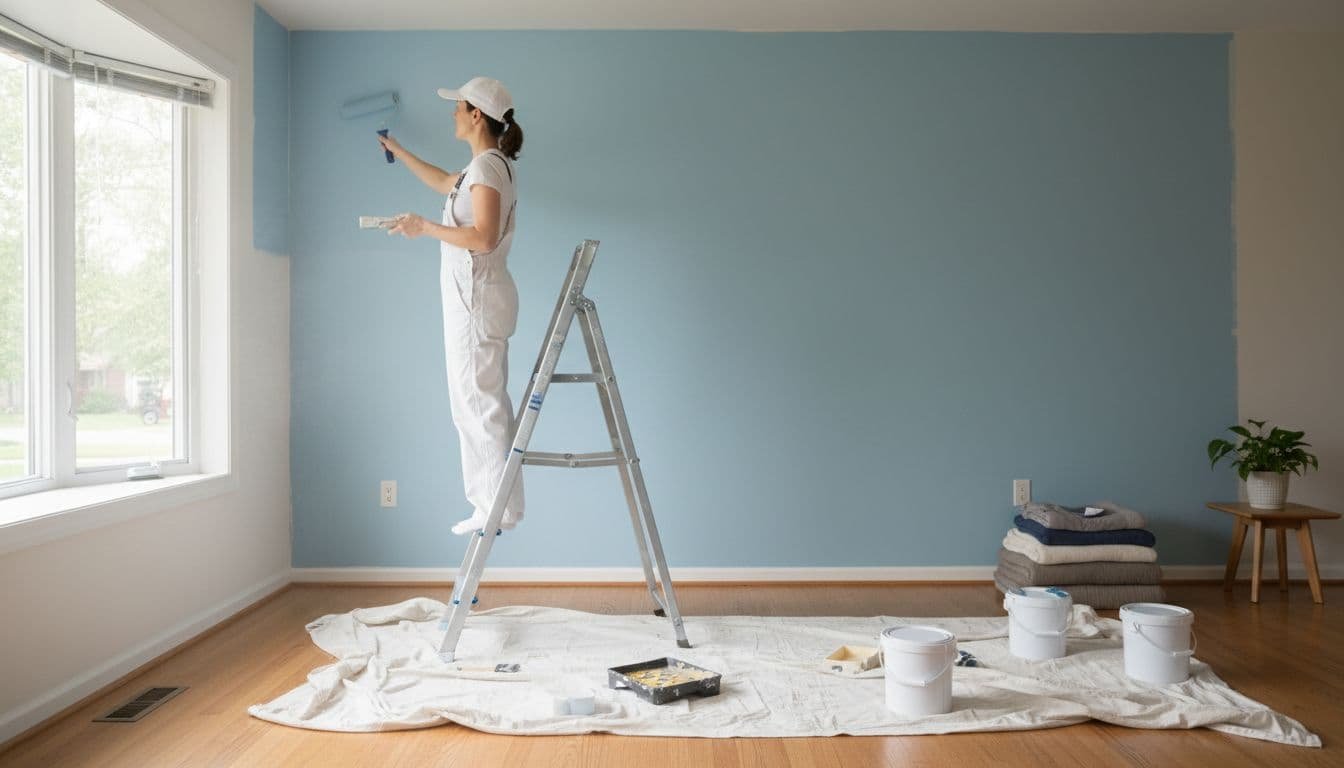
This quick table gives a useful starting point.
| Project | Typical 2026 cost | Notes |
|---|---|---|
| Small bedroom, about 12 x 12 | $450 to $750 | Basic walls, normal prep |
| Standard bathroom, about 5 x 8 | $305 to $345 | Walls, ceiling, baseboards |
| Large living room, about 18 x 24 | About $870 | Walls, ceiling, baseboards |
| Full 2,000-square-foot interior | $4,000 to $12,000 | Wide range based on scope |
Most single-room jobs stay manageable. Whole-house pricing rises fast because labor takes most of the budget.
For a 1,200-square-foot interior job in Minneapolis, labor alone can run roughly $4,215 to $8,501, while materials may sit near $1,117 to $1,209. That gap matters. A low bid usually doesn’t mean cheaper paint; it often means less prep, fewer included surfaces, or less time on repairs.
When one quote is far lower than the rest, check the prep list first.
A residential painting service in Minneapolis may price a bit higher than one closer to White Bear Lake because labor demand tends to be stronger in the core city. Still, the same cost logic applies across White Bear Lake, Vadnais Heights, Shoreview, and nearby Twin Cities suburbs.
Why one estimate can be thousands higher
The biggest cost driver is wall condition. Minnesota homes take a beating from freeze-thaw cycles, dry furnace heat, and summer humidity. Even though the work is indoors, those seasons show up on the walls. Small drywall cracks, popped nails, open trim joints, and old patch marks all add labor before the first coat goes on.
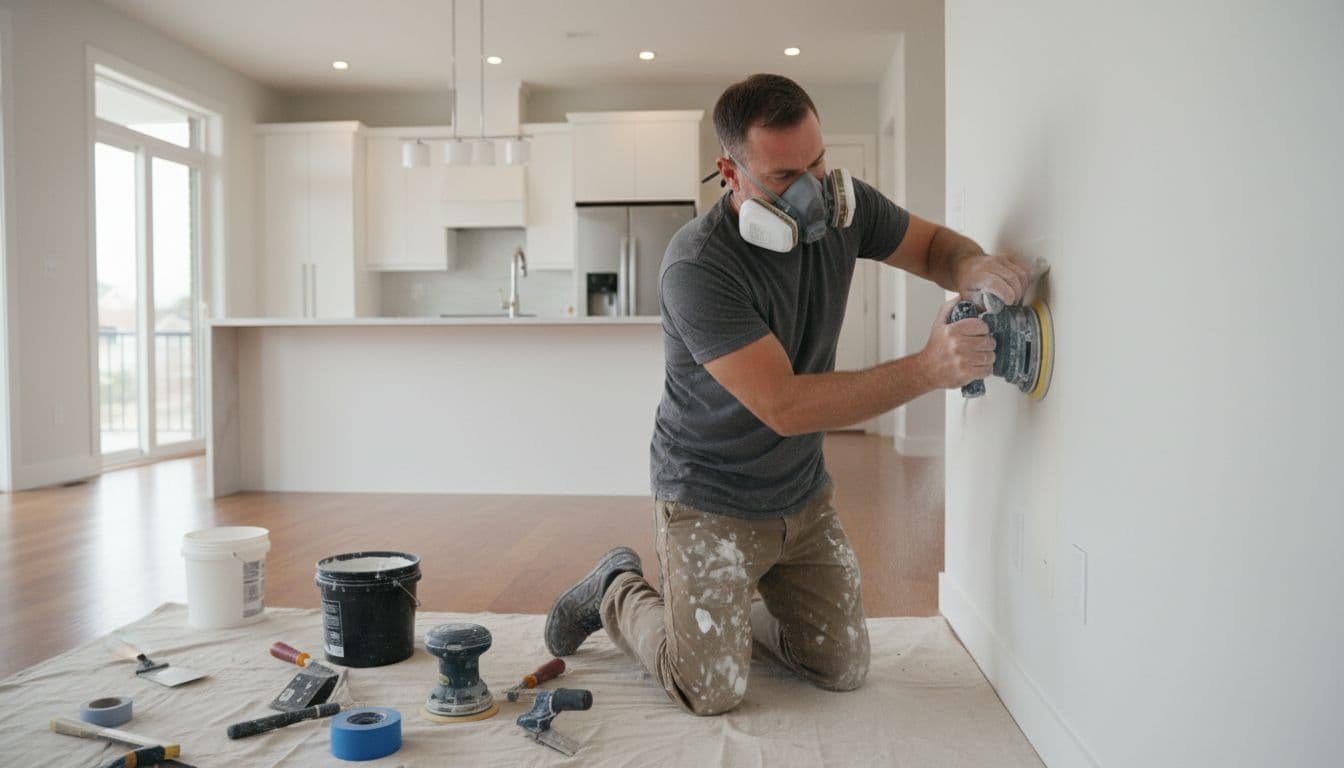
Prep is where costs separate. Sanding, patching, caulking, stain blocking, and protecting floors take time. Homes around White Bear Lake with older drywall, wood trim, or past moisture issues often need more of that work than homeowners expect.
Room layout also matters. Vaulted ceilings, stairwells, built-ins, and a lot of window and door trim push pricing up. So does a major color shift. If you’re going from dark blue to warm white, the painter may need extra primer and another finish coat to get a clean, even look.
Kitchens and baths often cost more per square foot. Grease, steam, and splatter call for extra cleaning and better primers. Meanwhile, occupied homes take longer because painters must move and cover furniture, work around daily routines, and keep the space tidy.
Timing plays a smaller role with interior work, but it still matters in Minnesota. Winter projects are common because crews can work inside no matter how cold it gets. However, dry indoor heat can open cracks that need repair first. Summer jobs can dry well, but high humidity may slow cure times in some rooms. So the best time to paint is usually when you can clear the space and keep indoor conditions steady.
This is also why DIY savings often disappear. Uneven sheen, roller marks, missed repairs, and paint on trim show up fast in daylight. Good workmanship lasts longer and looks better every time the sun hits the wall.
How to compare bids and pick the right interior painter
A solid estimate should tell you exactly what you’re buying. If it doesn’t, you can’t compare it fairly with a painting service in Minneapolis, White Bear Lake, or anywhere else in the east metro.
Look for these details in writing:
- Which rooms and surfaces are included, such as walls, ceilings, trim, doors, and closets
- How much prep is included, especially patching, sanding, and caulking
- How many coats the painter plans to apply, and whether primer is included
- What paint line and finish they will use, plus cleanup and final walkthrough
When homeowners compare quotes from interior painters Minneapolis companies, the lowest total often leaves out something important. Common omissions include ceiling work, trim touch-ups, wall repair, or a second coat. On the other hand, a higher bid may reflect better prep and more durable results.
It also helps to compare your estimate with the scope listed on this interior house painting service, because it shows what professional prep, painting, and cleanup should include in a residential setting.
Most importantly, ask about timeline and protection. Many residential interiors take about 2 to 5 days, depending on size and repairs. That window should include setup, prep, painting, and a final walk-through. A residential painting service in Minneapolis or White Bear Lake should also explain how they protect floors, vents, and furniture while the job is underway.
If two bids are close, choose the one that gives you better clarity, stronger prep, and a cleaner finish plan. Paint is the part you see. Prep is the part that decides how long it still looks good three winters from now.
Final thoughts on White Bear Lake painting costs
The price for interior painting in White Bear Lake in 2026 usually lands where scope, prep, and workmanship meet. Most homeowners pay more for labor than paint, and that is where a good result starts.
If you want a number you can trust, ask for an estimate that spells out repairs, surfaces, coats, paint quality, protection, and timing. Then compare it against the real condition of your home, not only the room size.
Request a detailed estimate now. It is the simplest way to get clear pricing, better workmanship, and a finish that lasts in a Minnesota home.