

Baseboard painting looks small until the quote shows up. In Minneapolis, the cost to paint baseboards in 2026 often lands around $1 to $4 per linear foot, but that range can move fast when trim is worn, rooms are crowded, or prep takes extra time.
Cold winters, summer humidity, and freeze-thaw movement can leave caulk lines split or wood trim a little rough. That means one home may need a simple repaint, while another needs sanding, patching, primer, and two finish coats.
If you’re comparing bids, the details matter more than the headline number. A clean finish also lasts longer than a rushed DIY coat, especially on trim that gets bumped every day.
What baseboard painting costs in Minneapolis right now
Most homeowners get a better answer by thinking in ranges instead of a fixed price. A small room with clean trim is one thing. A whole main level with damaged baseboards is another.
| Project type | Typical cost shape | Why it changes |
|---|---|---|
| Small room with good trim | Lower end of the range | Fewer linear feet and light prep |
| Average bedroom or office | Mid-range | More masking, corners, and furniture work |
| Trim with chips or yellowing | Higher end of the range | Sanding, caulk, patching, and primer |
| Whole main level | Project quote | More labor, setup, and cleanup |
A 100-foot run at $1 to $4 per linear foot works out to about $100 to $400 before repairs or minimum charges. That sounds simple, but small jobs can still carry a service minimum.
For a local benchmark on broader interior work, a Minneapolis room painting cost guide is useful. It shows how labor-heavy interior jobs add up once masking and prep enter the picture.
What changes the price on trim jobs
The best estimates are based on the trim itself, not a guess from the room size. A Painting Service in Minneapolis should spell out prep, coat count, and cleanup before work starts.
Linear feet and room layout
Long hallways, open plans, and rooms with lots of corners take more time. Baseboards tucked behind built-ins or packed around radiators also slow things down.
Prep, repairs, and primer
Dirty trim, cracked caulk, nail pops, and chipped paint raise the price because they add labor. A Residential painting service in minneapolis should tell you if cleaning, sanding, filling, or primer is part of the bid.
A low bid only helps if it covers the prep your trim actually needs.
Paint quality and number of coats
Better paint costs more, but it usually covers better and holds up longer. Dark trim, stained wood, or yellowed surfaces often need extra coats before the finish looks even.
A trim pricing guide shows how painters often separate trim from walls, doors, and other interior surfaces. That separation matters, because baseboards usually take more care than a quick wall repaint.
Access, furniture, and minimum charges
Rooms that need furniture moved, floors fully protected, or tight masking around carpet will cost more. Some crews also have a minimum price, so a single small room may not feel cheap.
The right question is not, “What’s the lowest price?” It is, “What work is included?”
Why a professional painter is worth it
Baseboards look easy from a distance. Up close, they show every brush mark, every missed gap, and every rough caulk line. That is where a pro earns the fee.
Good interior painters Minneapolis homeowners trust know how to get crisp edges without flooding the trim. They also know how to protect flooring, keep dust down, and clean up fully when the job is done.
If you’re comparing full-room work too, the professional interior house painting page is a helpful place to start. It helps you compare trim-only work with wall, ceiling, and room-wide estimates.
Professional crews also set clearer expectations. Ask how they handle touch-ups, and ask about workmanship coverage if it matters to your decision. That kind of answer is often more useful than a low number with little detail.
Why professional prep matters in Minnesota homes
Minneapolis homes deal with more seasonal movement than many homeowners expect. Winter heat dries trim out. Summer humidity can swell old caulk lines. Freeze-thaw cycles can loosen small areas near exterior walls, then those gaps show up at the baseboard line inside.
That is why prep matters so much. Paint sticks best when the surface is clean, sound, and smooth.
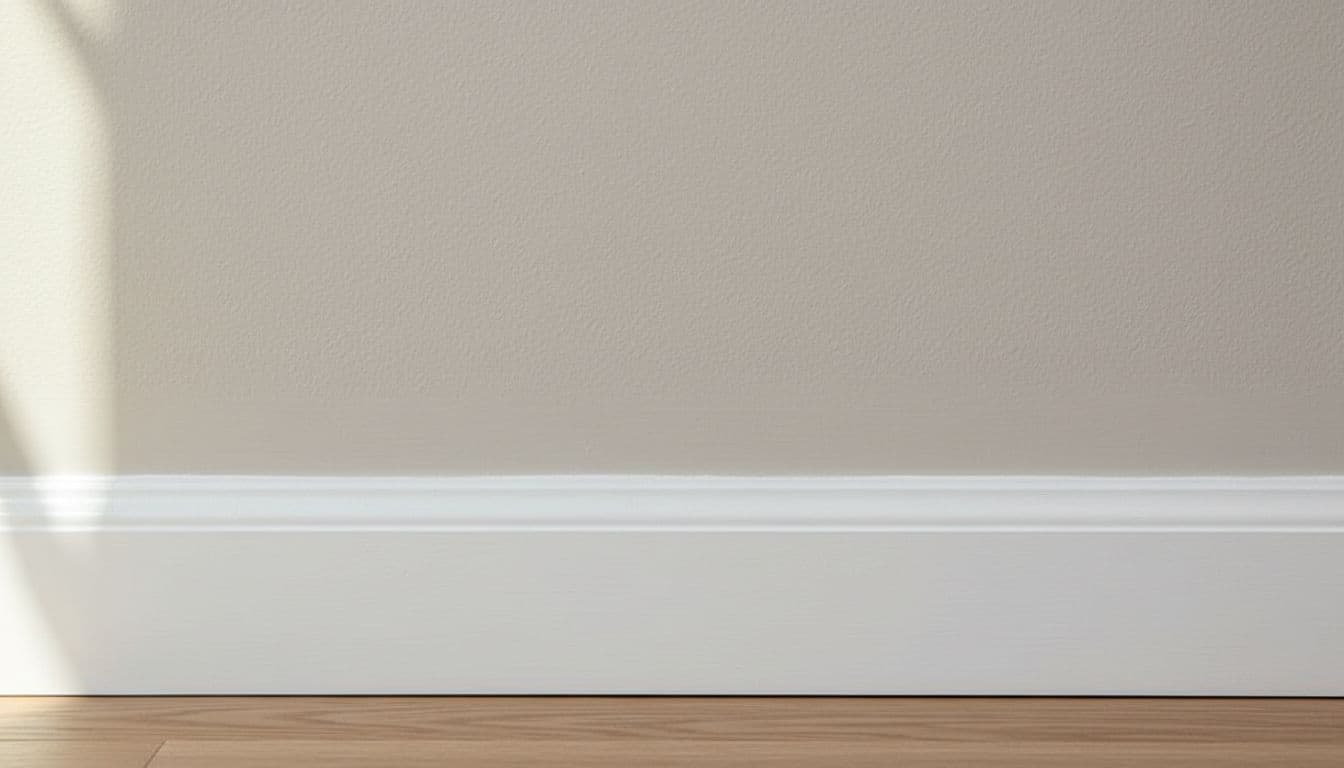
A residential painting service in Minneapolis should also know when to slow down for drying time. Summer humidity can stretch the schedule a bit, while winter air can make dust and brittle caulk more obvious during prep.
That is the difference between paint that looks fine for a month and paint that still looks sharp a year later.
DIY baseboards or hiring a pro?
DIY can make sense for a small closet, a spare bedroom, or a homeowner who already has the tools and time. It can also save money when the trim is in good shape and the room is easy to protect.
Professional help starts to make more sense when the baseboards are chipped, stained, or surrounded by carpet and furniture. It also helps when you want a clean, consistent edge across several rooms.
A quick rule of thumb helps:
- DIY works best when the trim is solid, the room is small, and you are patient with prep.
- A pro is smarter when the trim needs repair, the layout is tight, or the finish needs to match the rest of the house.
- A pro is safer for your budget when a second attempt would cost more than the first quote.
- A pro is worth it when you want the job done once, with less cleanup and fewer touch-ups.
If you’re unsure where your project falls, request an estimate before you buy paint. A good bid will tell you whether the job needs cleaning, caulk, primer, or only finish coats.
Getting a fair estimate for baseboard painting
A fair estimate is easy to compare because it names the work. A Residential painting service in minneapolis should be able to tell you how the price was built.
Look for these items in the quote:
- Measured linear feet or a clear room count
- Prep steps, including sanding, filling, and caulking
- Paint brand, sheen, and number of coats
- Masking, floor protection, and cleanup
- Touch-up or workmanship details
When you get two bids with the same scope, the numbers become easier to trust. Without that, the cheapest quote may leave out the work that matters most.
If you want a number tied to your own home, ask for a local estimate that covers the condition of your trim, not just the size of the room.
Conclusion
The cost to paint baseboards in Minneapolis depends on prep, layout, paint choice, and access as much as it does on length. That is why two homes in the same neighborhood can get very different quotes.
A careful painter will explain the scope clearly and leave you with trim that looks sharp in every season. If your baseboards are scuffed, yellowed, or full of old caulk lines, request an estimate from a Minneapolis painter who prices prep the right way. Clear pricing makes it easier to compare bids and easier to trust the result. Adding a LocalBusiness schema with your service area, phone number, and reviews can also help search engines connect the page to local searches.
FAQ
How much does it cost to paint baseboards in Minneapolis in 2026?
Most projects fall around $1 to $4 per linear foot, with prep, repairs, and minimum charges affecting the total.
Is baseboard painting charged by the room or by linear foot?
Many painters price by linear foot, but small jobs may use a room-based or minimum project price.
What makes baseboard painting more expensive?
Damage, sanding, caulking, primer, extra coats, furniture moving, and tight access all raise the price.
How long does it take to paint baseboards?
A small room may take a few hours, while a larger main level can take a day or more depending on prep.
Can I paint baseboards myself?
Yes, if the trim is in good shape and the room is easy to prep. Pro help is better for damaged trim or detailed finishes.
Do Minneapolis winters affect interior trim painting?
Yes. Dry winter air and seasonal movement can open caulk lines or highlight old paint wear, so prep matters more.
Should baseboards be painted with walls or as a separate job?
They can be done either way. Separate trim pricing is common when the painter needs extra prep or detail work.
{
  "@context": "https://schema.org",
  "@type": "FAQPage",
  "mainEntity": [
    {
      "@type": "Question",
      "name": "How much does it cost to paint baseboards in Minneapolis in 2026?",
      "acceptedAnswer": {
        "@type": "Answer",
        "text": "Most baseboard painting projects in Minneapolis cost about $1 to $4 per linear foot, with prep, repairs, and minimum charges changing the total."
      }
    },
    {
      "@type": "Question",
      "name": "Is baseboard painting charged by the room or by linear foot?",
      "acceptedAnswer": {
        "@type": "Answer",
        "text": "Painters often price baseboards by linear foot, but some small jobs use a room-based price or a minimum project fee."
      }
    },
    {
      "@type": "Question",
      "name": "What makes baseboard painting more expensive?",
      "acceptedAnswer": {
        "@type": "Answer",
        "text": "Damage, sanding, caulking, primer, extra coats, furniture moving, and tight access can all raise the price."
      }
    },
    {
      "@type": "Question",
      "name": "How long does it take to paint baseboards?",
      "acceptedAnswer": {
        "@type": "Answer",
        "text": "A small room may take a few hours, while a larger main level can take a day or more depending on prep and layout."
      }
    },
    {
      "@type": "Question",
      "name": "Can I paint baseboards myself?",
      "acceptedAnswer": {
        "@type": "Answer",
        "text": "Yes, if the trim is in good shape and the room is easy to prep. Professional help is better for damaged trim or detailed finishes."
      }
    }
  ]
}